guides
Fall Garden Cleanup: What to Remove, What to Leave (Most People Clean Too Much)
The honest fall checklist: pull the diseased and the pest hotels, leave the roots and the leaves — why a too-tidy garden costs you soil, pollinators, and next spring's head start.
Honest disclosure: Some links below are affiliate links — Glivox earns a commission if you purchase, at no extra cost to you. We pay full price for products we review and rankings are never paid. Read the full policy.
Fall cleanup advice used to be simple: rip everything out, rake every leaf, leave the garden bare and “tidy” for winter. That advice built millions of clean-looking gardens — with eroded, lifeless spring soil, fewer pollinators every year, and compost bins full of material the beds needed more than the curb did.
The modern, evidence-backed version is more interesting: fall cleanup is triage, not demolition. A few things genuinely must leave the garden (and knowing which ones is the whole skill); most things do more good staying. Here’s the honest sort — remove / leave / relocate — plus the 90-minute order of operations that sets up spring before winter even starts.
TL;DR — the triage rule
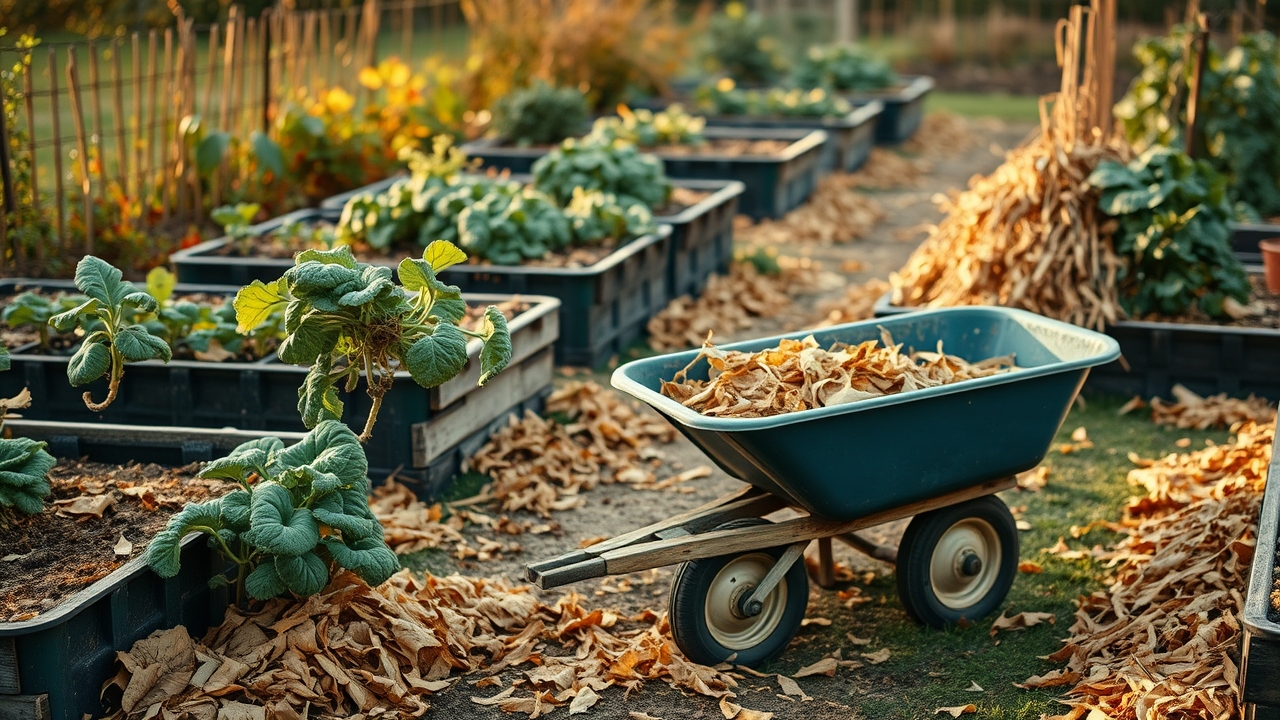
Remove completely (not into the compost): anything diseased — blighted tomato vines, mildewed squash foliage — plus known pest-overwinter hotels (old squash vines for borers, dropped fruit for maggots and rot). This small pile is 90% of cleanup’s real value. Leave: healthy plant roots (cut at soil level, roots feed soil life all winter), fallen leaves on beds and under shrubs (free mulch + habitat), seed heads (bird food, beneficial-insect housing), and every bit of soil armor you can — bare soil is the true winter damage. Relocate: healthy spent plants → compost; surplus leaves → the leaf mold cage; emptied beds → cover crops if there’s time, deep mulch if not. Tidy less, sort smarter.
Buy it if
the triage version: pull the diseased, armor the soil, bank the leaves — 90 minutes per weekend through fall, spring pays it back double
Skip it if
the scorched-earth version — bare 'tidy' beds erode all winter, evict your pollinators, and hand you compacted dead soil in April
Try instead
Zero time this fall? Do only two things: remove diseased material and dump leaves on every bed. That's 70% of the value in 30 minutes
What genuinely must go (the short, important list)
- Diseased foliage and vines — out of the garden, not into the compost. Late blight tomatoes, powdery-mildew squash, rust-spotted anything: home piles rarely run hot enough to kill these pathogens, and composting them re-seeds next year’s outbreak. Trash, municipal compost (their piles run hot), or burn where legal. This one rule prevents more spring problems than everything else combined.
- Pest overwinter hotels. Squash vine borer pupae winter in old squash vines and the soil beneath; cucumber beetles bed down in cucurbit debris; asparagus beetles in old ferns. If a crop had a pest year, its debris leaves the garden — that’s eviction day for next summer’s problem.
- Dropped and mummified fruit. Fallen tomatoes seed a thousand volunteers; mummified fruit anywhere is a disease reservoir. Ground-check under everything.
- The weeds that went to seed. One seeding lambsquarter is seven years of weeding, goes the old line — seed-heavy weeds get carefully bagged, not yanked and shaken.
90%
Share of cleanup's real value that comes from the removal shortlist - diseased material, pest hotels, dropped fruit. Everything else can mostly stay
What should stay (the part old advice got backwards)
- Roots of healthy plants. Cut spent crops at soil level instead of pulling — the root mass decomposes in place, feeding worms and leaving channels that aerate and drain, no-dig logic applied to endings. Bean and pea roots leave a bonus nitrogen deposit.
- Leaves, everywhere you can get away with it. On beds: shredded-leaf blankets are erosion armor, worm food and weed suppression at once. Under shrubs and in corners: overwintering habitat for the fireflies, native bees and predatory insects you want next summer. Surplus beyond that → the leaf mold cage — never the curb; autumn leaves are the single most-wasted soil resource in every neighborhood.
- Seed heads and hollow stems. Sunflower and coneflower heads feed winter birds; hollow-stemmed plants house native cavity-nesting bees. The “messy” corner is infrastructure — leave at least one.
- Perennial herbs and half-hardy survivors. Cutting rosemary, sage or thyme hard in fall costs winter hardiness; shape them in spring instead. And fall crops still producing — kale, carrots, spinach — aren’t cleanup targets at all; they’re the reason the season keeps going.
The empty-bed decision: cover, blanket, or build
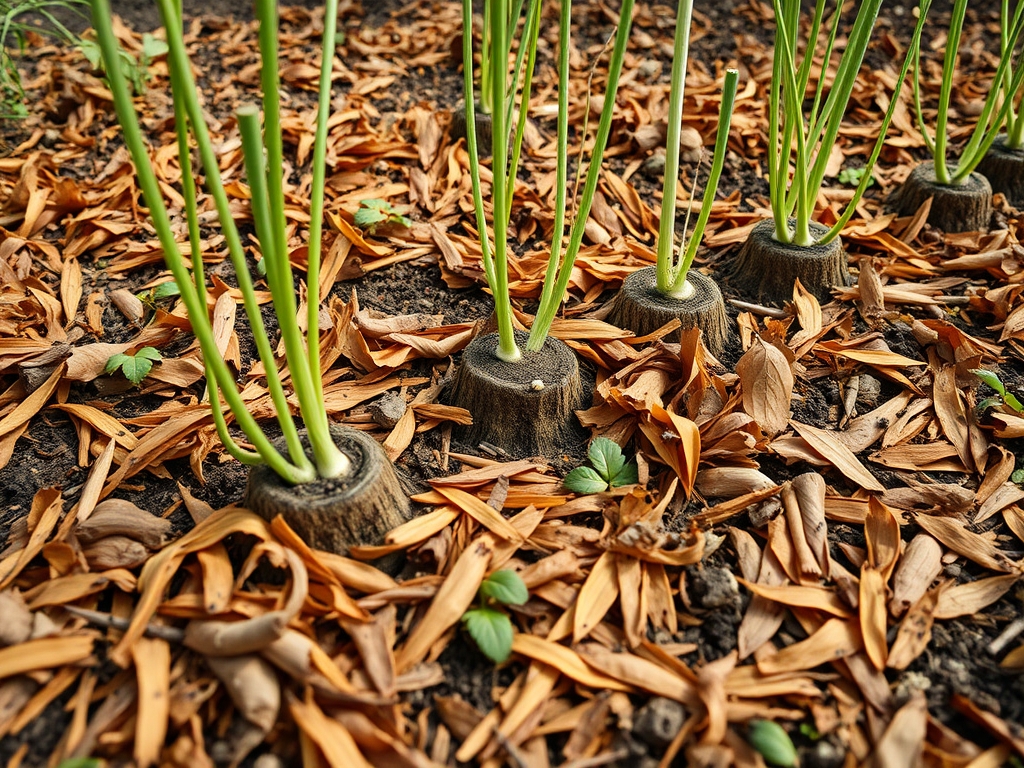
Every bed that finishes gets one of three treatments — never bare:
- 6+ weeks before hard frost: sow a cover crop — oats and peas winter-kill into ready mulch; rye holds the latest sowing dates. Living roots all winter is the gold standard.
- Less time than that: a deep organic blanket — 5–8 cm of shredded leaves, straw or finished compost — held with a scrap of netting if wind objects.
- Building a new bed for spring? Fall is no-dig construction season: cardboard + compost now, winter does the settling, plant in April.
The one thing with no defense is bare soil: winter rain compacts it, erodes it, and leaches the fertility you built all season.
The 90-minute order of operations
- Walk with a trash bag first (15 min): diseased material, dropped fruit, seedy weeds — the quarantine pass, done before anything else so sick material never touches healthy piles.
- Cut, don’t pull, the finished crops (20 min): soil-level cuts, tops to the compost pile as fall’s brown-green feast.
- Sort the leaves (30 min): shred what the mower can reach, blanket the beds, cage the surplus for leaf mold, leave the shrub-corner litter alone.
- Dress the empty beds (15 min): cover crop or blanket, per the timeline above.
- Tools, taps, hoses (10 min): drain and coil hoses before hard freeze, drain the rain barrels in cold climates, wipe and oil the steel — the spring-you tax, paid at fall prices.
Quick wins vs. classic mistakes
What works
- Quarantine pass FIRST - diseased material out before anything else moves
- Cut healthy crops at soil level; roots are winter food for the bed
- Every leaf stays on the property - beds, habitat corners, or the mold cage
- No bed goes into winter bare: cover crop, blanket, or new no-dig build
What doesn't
- Composting blighted or mildewed plants (re-seeding next year outbreak)
- Raking beds down to bare "tidy" soil (erosion + dead spring soil)
- Hard-pruning perennial herbs in fall (costs them winter hardiness)
- Bagging leaves for the curb while buying mulch in spring
FAQ
Should I remove all dead plants from my garden in the fall?
No — sort them instead. Diseased material (blight, mildew, rust) and debris from pest-plagued crops must leave the garden entirely, not via the compost pile. But healthy spent plants do more good cut at soil level with roots left in place: the roots feed soil organisms and leave drainage channels, and the beds stay armored. The old rip-everything-out advice produces tidy-looking gardens with eroded, biologically poorer spring soil.
Can I compost diseased plants from my garden?
Not in a typical home pile. Killing pathogens like late blight or powdery mildew requires sustained hot-composting temperatures that most backyard piles never reliably reach, so home-composted diseased material often reinfects the garden when spread. Options that work: municipal green-waste programs (industrial piles run hot), trash, or burning where legal. Everything healthy — spent vines, frost-killed tops, leaves — composts normally, and fall is the compost pile’s best-fed season.
Should I leave fallen leaves on my garden beds over winter?
Yes — it’s one of the highest-value free moves in gardening. A layer of leaves (shredded, ideally, so it breathes rather than matting) protects soil from rain compaction and erosion, suppresses weeds, feeds worms all winter, and becomes soil by summer. Leave some unshredded litter in shrub corners as overwintering habitat for beneficial insects. Only surplus beyond that belongs in a leaf-mold pile — and none of it at the curb. The one place to hold back: thick whole-leaf mats directly on beds of actively growing fall greens.
When should I do fall garden cleanup?
In passes, not one purge: the disease-and-dropped-fruit quarantine pass happens continuously as crops finish (don’t wait — reservoirs build); each bed gets its cut-and-cover treatment as its crop ends; leaf work happens as the trees deliver, through late fall; and hoses, barrels and tools get winterized before your first hard freeze. Spread as 60–90 minute weekend sessions from late summer through November, cleanup stops being a dreaded day and becomes the season’s natural wind-down — with fall crops still producing right through it.
Glivox publishes practical, honest guides for homesteaders and backyard growers — the tidiest garden in April is the one that wasn’t tidy in November.
Keep reading
guides
What to Plant in July for a Fall Harvest (2026 Guide)
It's not too late — July is prime time for a second planting. What to sow now for a fall harvest, the frost-date math, and how to get seeds up in hot soil.
guides
Cover Crops for Beginners: Feed Your Soil While You Take the Winter Off
What cover crops actually do, the 5 easiest for a home garden, when to sow them after harvest, and the spring question everyone worries about — killing them off.
guides
Leaf Mold: The Free Soil Conditioner Falling Out of Your Trees
Fall leaves + a wire cage + patience = the best moisture-holding soil amendment money can't easily buy. How to make leaf mold, the 12-month shortcut, and what it is (and isn't).