guides
Squash & Cucumber Problems: 6 Summer Killers and How to Fight Back
Vines wilting overnight, white powder on leaves, flowers but no fruit, bitter cucumbers — what's killing your squash and cucumbers in late summer, and what actually works.
Honest disclosure: Some links below are affiliate links — Glivox earns a commission if you purchase, at no extra cost to you. We pay full price for products we review and rankings are never paid. Read the full policy.
Late July is when the squash family breaks hearts. Plants that sprawled triumphantly through June suddenly wilt overnight, leaves turn ghost-white, cucumbers come off the vine bitter, and zucchini flowers fall without making a single squash. Like tomato problems, almost all of it traces to a short list of causes — and the difference between losing the season and saving it is usually acting in the first week.
Here’s the field guide to the six big squash and cucumber killers, in the order they usually strike.
TL;DR — the six killers at a glance
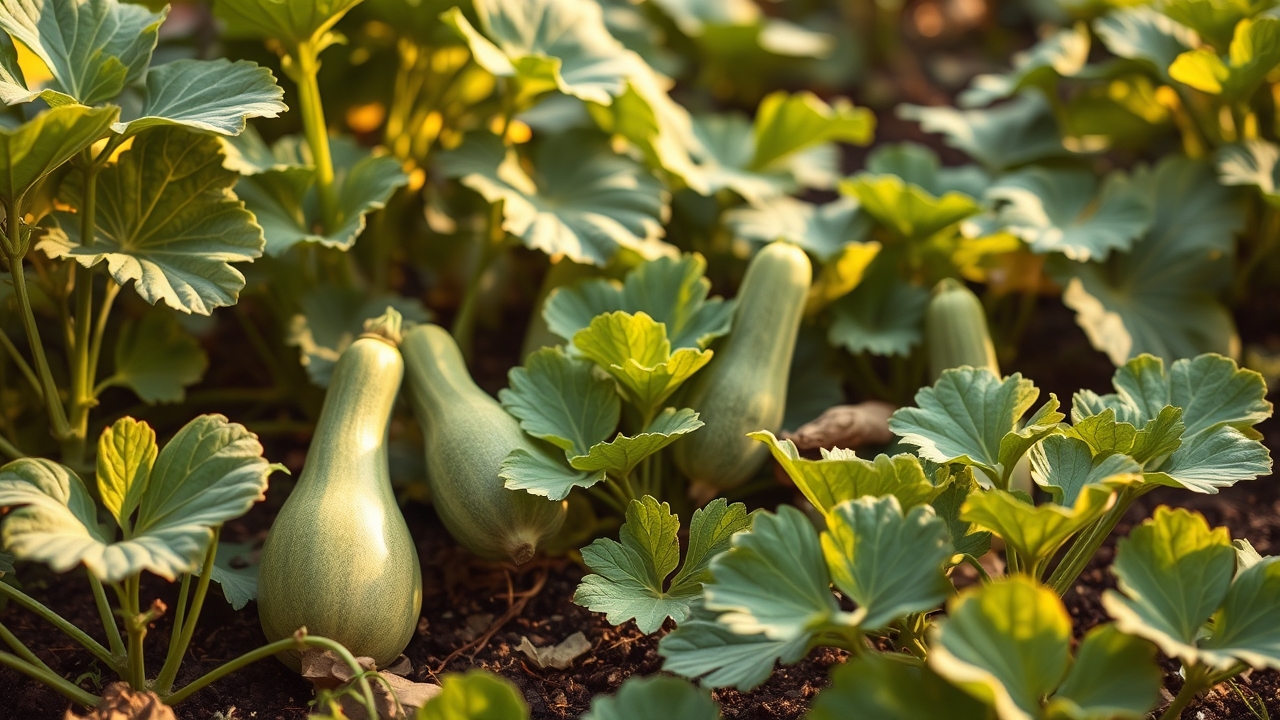
Sudden total wilt on one squash vine = likely squash vine borer — check the stem base for holes and sawdust-like frass. White powder spreading across leaves = powdery mildew; prune, improve airflow, treat early with a milk or bicarbonate spray. Flowers but no fruit = pollination failure — hand-pollinate in the morning. Bitter cucumbers = heat/water stress concentrating cucurbitacins — even watering and shade. Yellow, curled, sticky leaves = aphids or squash bugs — check leaf undersides. Vines wilting one leaf at a time despite watering = bacterial wilt from cucumber beetles, and sadly that one has no cure — pull the plant, protect the next planting.
Buy it if
your squash or cucumbers are showing any of these six — early action saves the plant in five of six cases
Skip it if
panic-spraying broad insecticides — they kill the pollinators squash desperately need and usually miss the actual culprit
Try instead
If a plant is truly gone (borer-hollowed stem, bacterial wilt), replant fast: bush beans or fall cucumbers sown now still make a crop
1. A whole vine wilts overnight — squash vine borer
What you see: a squash plant that looked perfect yesterday lies flat and wilted today, and watering doesn’t fix it.
What’s happening: a moth laid eggs at the stem base; the larva bored inside and is eating the stem’s plumbing. Look for a small hole near the base with orange-yellow sawdust-like frass.
The fight-back: if you catch it early, slit the stem lengthwise above the hole with a clean blade, remove the borer, then bury the wounded stem section in moist soil so it can re-root. It works more often than it sounds like it should. Prevention for next planting: wrap young stem bases in foil, and know that butternut and other C. moschata squash are largely borer-resistant — the single best long-term fix in borer country.
2. White powder spreading over the leaves — powdery mildew
What you see: talc-like white patches on older leaves, spreading until leaves brown and die; classic from mid-July on.
What’s happening: a fungal disease that loves warm days, cool nights, and crowded, stagnant foliage. Unlike most fungi, it doesn’t need wet leaves.
The fight-back: remove the worst leaves (trash, not compost), thin the canopy for airflow, and spray the rest early with the home-standard options — 1 part milk to 3–4 parts water, or 1 tbsp baking soda + a drop of soap per gallon — every 5–7 days. These genuinely slow it when started at first spots; nothing rescues a fully white plant. Plants usually keep producing for weeks with mildew managed, so this is containment, not cure.
1 : 3-4
Milk-to-water spray at first white spots — cheap, real, and pollinator-safe
3. Flowers everywhere, fruit nowhere — pollination failure
What you see: plenty of blossoms, but baby squash yellow and shrivel, or cucumbers never form.
What’s happening: squash and cucumbers have separate male and female flowers, and each female flower needs pollen moved that same morning. Too few bees — or blistering heat killing pollen — and fruit aborts. (The same heat that drops tomato flowers.)
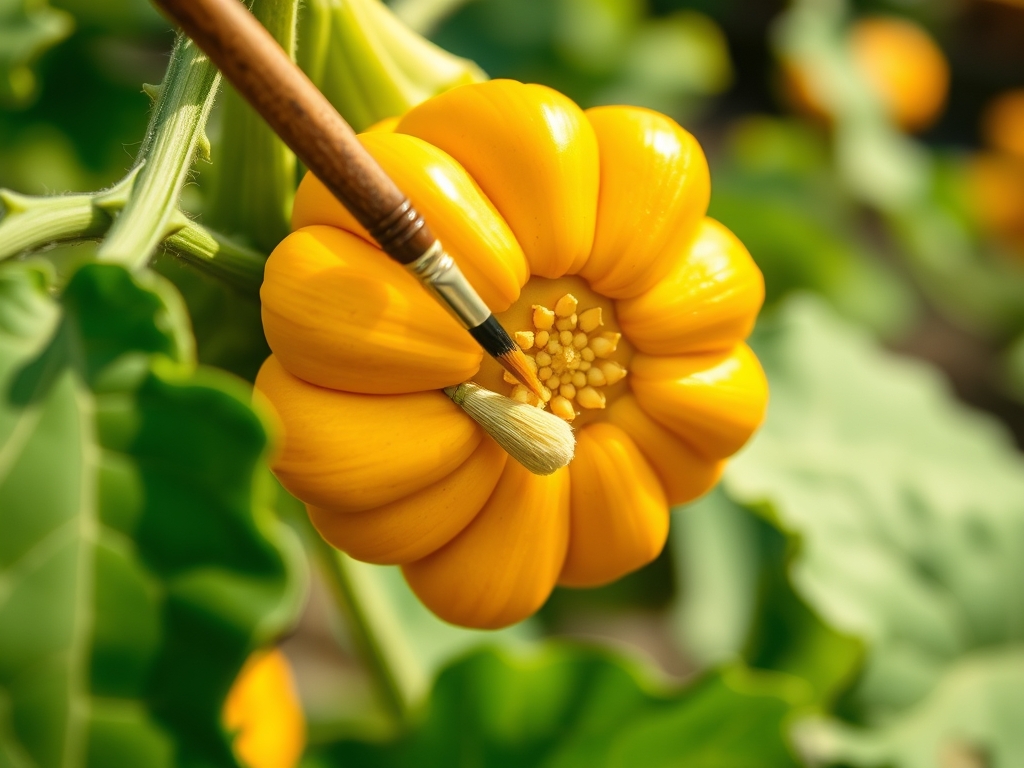
The fight-back: hand-pollinate: in the early morning, pick a male flower (thin stem), peel its petals, and dab pollen into the female flowers (tiny fruit behind the bloom). Thirty seconds per flower, near-100% success. Long-term: plant flowers among the vegetables so bees patrol daily — the same beneficial-insect logic as our pest-control approach.
4. Cucumbers taste bitter
What you see: cucumbers that look fine but taste bitter, especially at the stem end — usually during hot, dry stretches.
What’s happening: stress (heat, uneven watering) makes the plant concentrate cucurbitacins, its natural bitter defense compounds, in the fruit.
The fight-back: even, deep, mulched watering and some afternoon shade in heatwaves. Peel bitter fruit and trim the stem end — the compounds concentrate in and under the skin. Next season, pick “burpless”/bitter-free varieties, which barely produce cucurbitacins at all.
5. Yellow, sticky, curling leaves — aphids and squash bugs
What you see: leaves yellowing and curling, sticky residue, and on squash: bronze eggs in neat clusters under leaves, gray shield-shaped bugs at the crown.
The fight-back: blast aphids with water and let ladybugs work — squash bug eggs, scrape off and crush (they laugh at most sprays once adult). Board trick: lay a shingle by the plant overnight; squash bugs gather under it by morning for easy disposal. Row cover over young plants stops both — but remove it at flowering or you’ll cause problem #3.
6. Wilting leaf by leaf despite watering — bacterial wilt
What you see: cucumber (sometimes melon) vines wilting one leaf, then one runner at a time over days, while the soil stays moist.
What’s happening: bacteria spread by striped/spotted cucumber beetles clog the plant’s water vessels. The grim test: cut a wilted stem and slowly pull the ends apart — sticky white strands = bacterial wilt.
The fight-back — honestly, there isn’t one for the infected plant. Pull and trash it before beetles spread the bacteria further. Protection is all prevention: row covers on young plants, yellow sticky traps for beetles, and wilt-resistant varieties (County Fair cucumber is the classic). A fall-sown cucumber planted now often escapes the worst beetle pressure entirely.
Quick wins vs. time-wasters
What works
- Check stem bases weekly in July — a borer caught early is a 10-minute surgery, late is a dead plant
- Milk spray at the FIRST white spots, not the twentieth leaf
- Hand-pollinate every morning you walk past — 30 seconds per future squash
- Shingle-board trap for squash bugs beats any spray on adults
What doesn't
- Broad insecticide spraying (kills the bees squash need for problem #3)
- Composting mildewed or wilt-infected foliage (spreads it to next season)
- Watering harder when a borer or bacterial wilt is the real cause
- Fighting for a bacterial-wilt plant — pull it and protect the rest
FAQ
Why did my squash plant suddenly wilt and die?
The classic culprit is the squash vine borer: a moth larva that tunnels into the stem base and destroys the plant’s water transport, causing overnight collapse that watering can’t fix. Check the lower stem for a small hole with orange sawdust-like frass. Caught early, you can slit the stem, remove the borer, and bury the wound to re-root. If the stem is hollowed, replant — and next time try borer-resistant butternut-type squash.
How do I get rid of powdery mildew on squash and cucumbers?
Remove the worst-affected leaves, open up the canopy for airflow, and spray remaining foliage every 5–7 days with diluted milk (1 part milk to 3–4 parts water) or baking soda solution (1 tablespoon plus a drop of dish soap per gallon of water), starting at the first white spots. These slow the spread well when started early; nothing cures a fully coated plant. Water at the base in the morning and give plants space next season.
Why do my squash have flowers but no fruit?
Pollination failure. Squash have separate male and female flowers, and each female needs pollen delivered the morning it opens — too few bees, or extreme heat sterilizing pollen, and the baby fruit shrivels. Fix it directly by hand-pollinating: early morning, take a male flower (thin straight stem), strip its petals, and dab pollen onto the centers of female flowers (the ones with a tiny fruit behind the bloom). It takes seconds and almost always works.
Why are my cucumbers bitter?
Heat and water stress make the plant concentrate cucurbitacins — its natural bitter compounds — in the fruit, mostly in and near the skin and stem end. Keep soil evenly moist with deep watering and mulch, shade plants during heatwaves, then peel and trim the stem end of any bitter fruit. For next season, “burpless” and bitter-free varieties barely produce the compounds at all.
What is killing my cucumber vines one leaf at a time?
If leaves wilt progressively while the soil stays moist, suspect bacterial wilt, spread by striped and spotted cucumber beetles. Confirm by cutting a wilted stem and slowly pulling the ends apart — sticky white strands are the tell. There’s no cure: remove and trash the plant so beetles don’t spread it further, then protect future plantings with row covers when young, sticky traps for beetles, and wilt-resistant varieties like County Fair.
Glivox publishes practical, honest guides for homesteaders and backyard growers — the fixes that work, and honest word when there isn’t one.
Keep reading
guides
How to Stop Pests Eating Your Vegetable Garden (Naturally)
Bugs destroying your summer harvest? A practical, no-spray-first guide to identifying common vegetable pests and stopping them with barriers, beneficial insects, and targeted organic fixes.
guides
How to Water a Vegetable Garden in Summer (Without Killing It)
Summer watering makes or breaks a vegetable garden. How much, how often, what time of day, and the watering mistakes that quietly kill plants in the heat — a practical 2026 guide.
guides
Common Tomato Problems in Summer (and How to Fix Each One)
Blossom-end rot, cracking, dropped flowers, hornworms, curling leaves — why each tomato problem happens and the fix that actually works, in one honest guide.