guides
What to Plant in July for a Fall Harvest (2026 Guide)
It's not too late — July is prime time for a second planting. What to sow now for a fall harvest, the frost-date math, and how to get seeds up in hot soil.
Honest disclosure: Some links below are affiliate links — Glivox earns a commission if you purchase, at no extra cost to you. We pay full price for products we review and rankings are never paid. Read the full policy.
By mid-July, most gardeners have mentally filed the season under “whatever happens now, happens.” The spring lettuce bolted, the peas are done, and there are gaps in the beds where the garlic came out. It feels late. It isn’t. In most of the US, July is the start of the second planting season — and the vegetables you sow in the next few weeks will feed you deep into fall, often with better flavor than the spring versions.
Fall gardening is the best-kept open secret in vegetable growing: fewer pests, milder finishing weather, crops that sweeten in cool nights — and it all starts with seeds going into warm summer soil right now. Here’s exactly what to plant in July, how to do the frost-date math for your area, and the one trick that makes summer sowing work.
July planting, in one honest paragraph
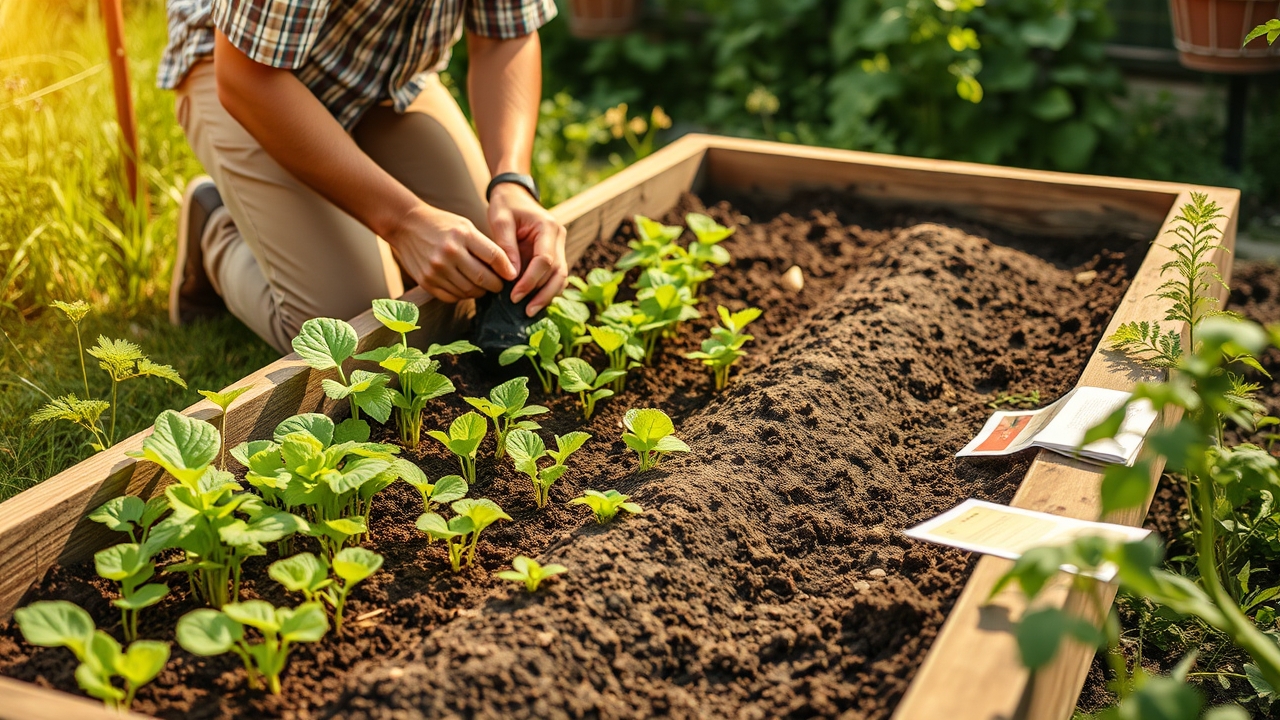
Count backwards from your first fall frost date: each crop needs its days-to-maturity plus a ~2-week buffer (growth slows as days shorten). With 90+ days left you can still plant carrots, beets, and transplanted broccoli or cabbage; with 60–90 days go for bush beans, kale, chard, and kohlrabi; with 30–60 days you have the fast lane — lettuce, spinach, radishes, arugula, turnips, and Asian greens. Keep summer-sown seeds consistently moist and lightly shaded until they sprout, refresh the bed with compost between crops, and sow small batches every couple of weeks instead of everything at once.
Buy it if
you have empty or emptying beds in July — a second sowing turns them into months of fall food instead of weeds
Skip it if
nothing really — even one square foot of radishes or lettuce sown now beats an empty bed
Try instead
No beds free yet? Start fall brassicas in trays/pots now and transplant into spots as summer crops finish
Why July planting works (and is often better than spring)
- The math still works. Most of the US gets its first frost between late September and November. From mid-July, that’s 70–120+ growing days — more than enough for a huge range of crops. (And frost isn’t even the finish line: row covers and cold frames — or a beginner greenhouse — stretch the harvest weeks past it.)
- Cool finishes = better flavor. Greens, roots, and brassicas that mature in cooling fall weather are sweeter and less bitter than spring plantings that mature into heat. Kale and carrots genuinely taste better after cool nights.
- Pest pressure drops. Many pest cycles (flea beetles, cabbage moths) peak in early summer. Fall crops often cruise through with far less damage — a relief if bugs ate your spring brassicas.
- Less bolting. Spring lettuce and spinach bolt as days lengthen and heat up. Fall plantings mature as days shorten — they hold in the bed for weeks instead of racing to seed.
Step 1 — Find your frost date and do the math
Everything hinges on one number: your area’s average first fall frost date. Look it up for your zip code (any planting calendar or almanac site has it — search “first frost date + your town”).
Then for each crop:
days-to-maturity (on the seed packet) + ~14-day fall buffer → count backwards from your frost date = your last safe sowing date.
The buffer matters because plants grow slower in September’s shorter days than in July’s long ones. A “30-day” radish sown in late August behaves more like a 40-day radish.
DTM + 14 days
Count this back from your first frost date — that's your last safe sowing date for each crop
Step 2 — Pick crops by the time you have left
90+ days to frost (most of the US in mid-July)
- Carrots — sow direct now; fall carrots sweetened by frost are the best carrots you’ll ever grow. They’re also prime winter-storage material — a sand box keeps them till spring.
- Beets — roots and greens; direct-sow.
- Broccoli, cabbage, cauliflower — start from transplants (or seeds in trays this week); they finish beautifully in cool fall weather.
- Bush beans — a fast second crop of beans before frost, often heavier and cleaner than the spring sowing.
60–90 days to frost
- Kale & collards — the fall stars; flavor improves with every cold night, and they keep producing after light frosts.
- Swiss chard — cut-and-come-again into late fall.
- Kohlrabi — quick brassica, 45–60 days.
- Turnips — fast roots plus edible greens.
- Peas (fall crop) — in milder areas, a late-July/early-August sowing gives a fall picking; they dislike heat at germination, so shade the row.
30–60 days to frost (the fast lane — you can sow these into late summer)
- Lettuce & salad mixes — sow small batches every 2 weeks; fall lettuce holds without bolting.
- Spinach — germinates poorly in hot soil, so wait for a cooler window or pre-sprout in the fridge; fall spinach is famously sweet.
- Radishes — 25–30 days, the ultimate gap-filler.
- Arugula & Asian greens (bok choy, tatsoi, mizuna) — fast, cold-tolerant, and less pest-chewed in fall.
Most of these overlap with the speed champions from our fastest summer vegetables guide — the same crops that rescue a late spring start also power a fall garden.
Step 3 — The one trick: getting seeds up in hot soil
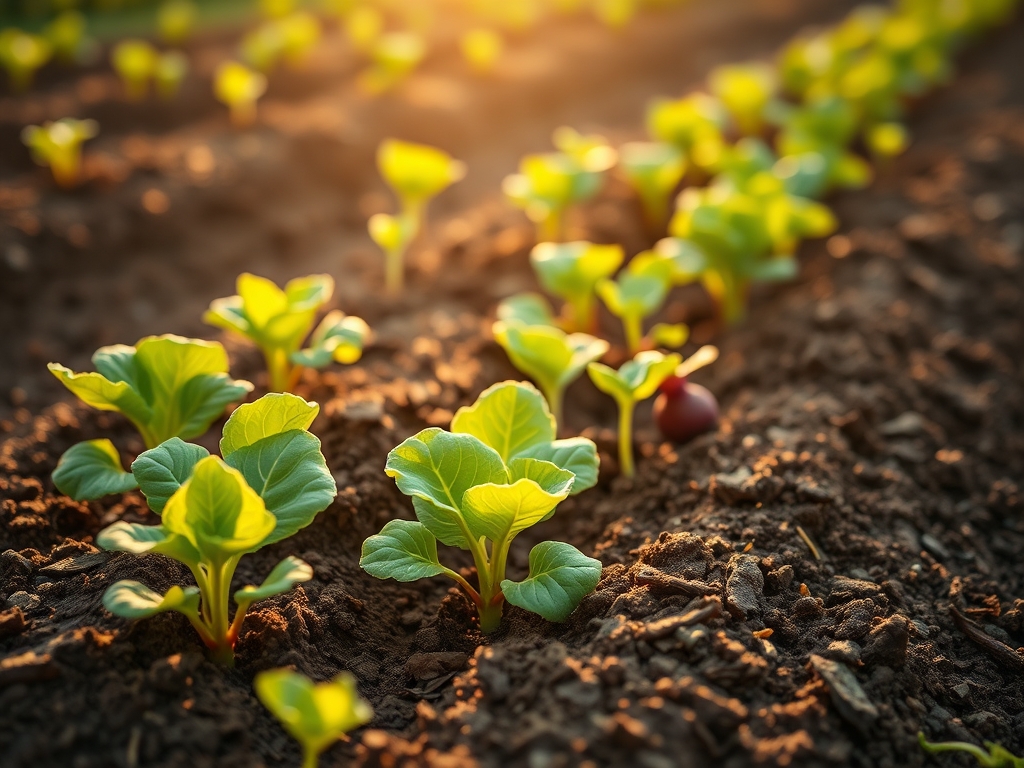
July’s problem isn’t the calendar — it’s germination. Hot, dry topsoil kills sprouting seeds, and some crops (lettuce, spinach) go dormant above certain soil temperatures. The fixes are simple:
- Water the furrow before sowing, then keep the surface consistently damp — a light watering daily until seedlings show.
- Shade the seedbed. A board, a piece of cardboard, shade cloth, or even an old window screen over the row keeps soil cool and moist until germination (remove it the day sprouts appear).
- Sow slightly deeper than the spring depth — the soil is cooler and moister half an inch down.
- Tough cases (lettuce, spinach): pre-sprout seeds in a damp paper towel in the fridge for a few days, then plant.
If a heatwave is running, wait it out or start seeds in trays somewhere cooler — our heat-protection guide covers keeping young plants alive through the worst of it.
Step 4 — Refresh the bed between crops
A bed that just finished garlic, peas, or spring greens has spent part of its fertility. Before resowing:
- Pull the old crop and weeds, and loosen the top few inches — no need to dig deep.
- Work in an inch or two of compost (this is exactly what your compost pile is for).
- Water deeply, then sow.
That’s it — fall crops don’t need fancy amendments, just a bed that isn’t running on empty. (Beds you’re NOT replanting deserve a cover crop instead of sitting bare.)
Step 5 — Sow in waves, not all at once
The same succession rhythm that works in spring works better in late summer: sow a short row every 2 weeks rather than everything today. You get a steady stream of harvests through fall instead of one glut — though if a glut happens anyway, that’s what preserving is for.
As frost approaches, a floating row cover or a simple cold frame can stretch the season by several extra weeks (our season extension guide covers both builds) — cold-tolerant greens like kale, spinach, and mâche will often keep producing under cover long after the first frosts.
Quick wins vs. common mistakes
What works
- Do the frost-date math per crop (DTM + 14-day buffer) before sowing
- Shade + constant moisture on summer seedbeds until germination
- Refresh beds with compost between the spring and fall crop
- Sow fast greens every 2 weeks into late summer for a continuous fall harvest
What doesn't
- Assuming July is "too late" and leaving beds empty (weeds will plant themselves instead)
- Sowing lettuce/spinach into 90°F soil and blaming the seeds
- Planting everything in one day — one glut, then nothing
- Ignoring the fall buffer: a 60-day crop sown 60 days before frost will not make it
FAQ
What vegetables can I still plant in July?
Plenty. With 90+ days to your first frost: carrots, beets, bush beans, and transplanted broccoli or cabbage. With 60–90 days: kale, collards, Swiss chard, kohlrabi, and turnips. With as little as 30–60 days: lettuce, spinach, radishes, arugula, and Asian greens like bok choy. The key is matching each crop’s days-to-maturity (plus about a 2-week buffer for shortening days) to the time left before your first fall frost.
Is it too late to start a vegetable garden in July?
No — July is the start of the second planting season in most of the US. You have roughly 70–120 growing days before the first frost in most regions, which is enough for a wide range of vegetables, especially fast growers and cool-season crops that actually prefer maturing in fall weather. A brand-new bed sown in July with radishes, lettuce, beans, and kale can produce a real harvest by September and October.
When is it too late to plant for a fall harvest?
Work it out per crop rather than by a fixed date: take the crop’s days-to-maturity from the seed packet, add about 14 days as a fall buffer (plants grow slower as days shorten), and count backwards from your average first frost date. That’s the last safe sowing date. In practice, fast greens and radishes can often be sown into early September in much of the US (the September planting guide picks up where this month leaves off), while slower crops like carrots need to be in by mid-to-late July.
Why won’t my lettuce or spinach seeds germinate in summer?
Heat dormancy — lettuce and spinach seeds stall in hot soil (roughly above 80–85°F for lettuce). Fix it by keeping the seedbed constantly moist, shading it with a board or shade cloth until sprouts appear, sowing a touch deeper where soil is cooler, or pre-sprouting seeds in a damp paper towel in the fridge for a few days before planting. Sowing during a cooler stretch or in the evening also helps.
What grows fastest if I plant in July?
Radishes lead at 25–30 days, followed by arugula and baby salad greens (30–40 days), bok choy and other Asian greens (35–45 days), turnips (40–50 days), and bush beans (50–55 days). These are the same speed champions that work for late spring starts — sow a batch every two weeks and you’ll be harvesting continuously from August until frost.
The seed packets never said “spring only” - July just needed you to shade the seedbed and do one subtraction.
Keep reading
guides
12 Fast-Growing Vegetables to Plant in Summer (30–60 Days)
Started late or want a second harvest? 12 fast-growing vegetables that go from seed to plate in 30–60 days — perfect for summer planting.
guides
How to Start Composting at Home (2026 Beginner's Guide)
Turn kitchen scraps and yard waste into free, rich soil. A beginner's guide to composting at home — what to compost, the simple browns-to-greens method, and how to fix a smelly or slow pile.
guides
How to Preserve Your Vegetable Harvest (2026 Beginner's Guide)
Drowning in tomatoes and zucchini? A beginner's guide to preserving your vegetable harvest — freezing, canning, drying, root storage and fermenting, and which method suits each crop.