guides
Root Cellar Without a Cellar: Store Months of Food With No Basement
No basement, no problem. Garage corners, buried barrels, sand boxes and in-ground trenches — honest ways to store potatoes, carrots, squash and apples for months.
Honest disclosure: Some links below are affiliate links — Glivox earns a commission if you purchase, at no extra cost to you. We pay full price for products we review and rankings are never paid. Read the full policy.
The root cellar is the most romantic room in homesteading — stone walls, wooden shelves, a winter’s worth of potatoes and apples sleeping in the dark. It’s also a room almost nobody has. Modern houses skipped the basement cellar, and the internet’s answer (“just build one into a hillside!”) is not helpful advice for a suburban backyard.
Here’s what the romantics skip: the cellar was never the point. The point is cold, humid, dark, and ventilated — conditions you can assemble from a garage corner, a buried barrel, a box of damp sand, or a trench in the garden, for somewhere between $0 and $50. This is the honest guide to storing months of harvest without owning a cellar, the fifth preservation method — the one with no processing at all.
TL;DR — cold, humid, dark, ventilated (pick your spot)
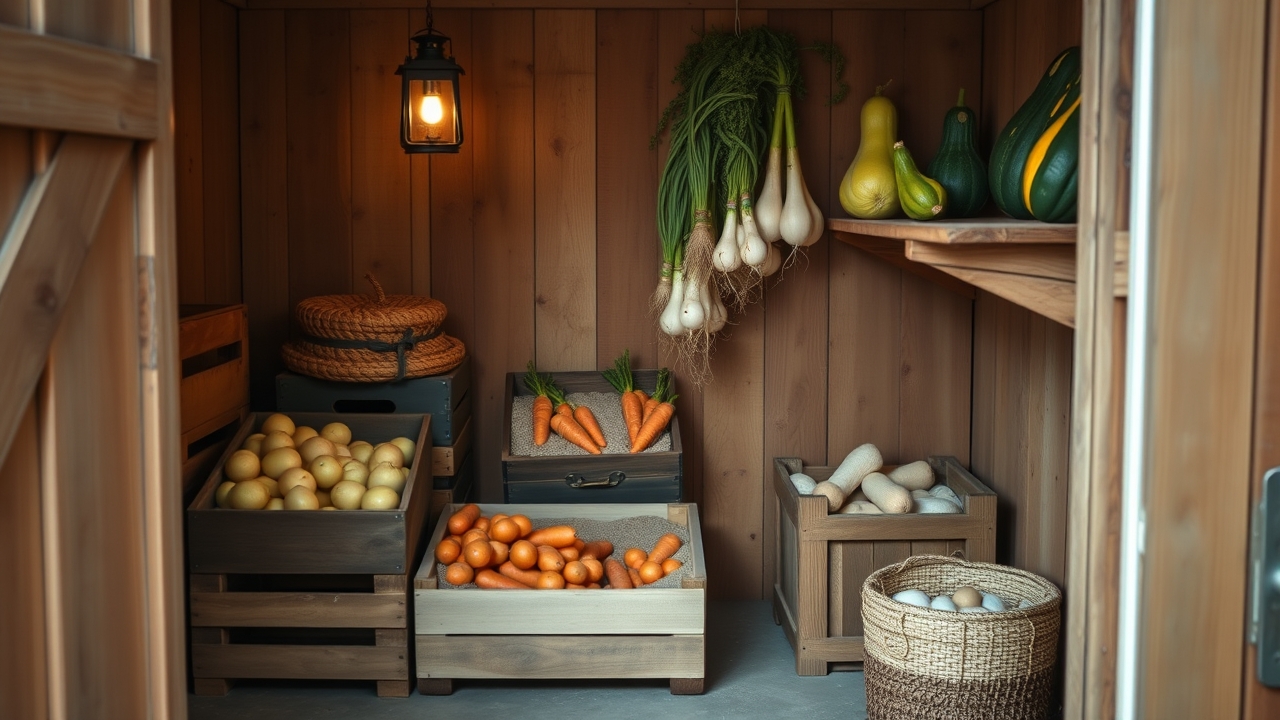
Storage crops want temperatures just above freezing (0–4°C / 32–40°F), high humidity (for roots), darkness, and a little airflow. An unheated garage or shed corner gets you most of the way in most climates. A box of damp sand holds carrots and beets crisp for months anywhere cold. A buried barrel or cooler is a $0–50 backyard cellar. The garden itself stores parsnips and carrots under mulch until you need them. The two universal rules: store only perfect, unwashed produce (one bruise ruins the crate — literally, one bad apple), and check every couple of weeks. Onions, garlic and squash are the exception crew: they want it dry, not humid — different corner, same building.
Buy it if
you grow (or bulk-buy) potatoes, carrots, beets, squash, onions or apples and your freezer is already full — cold storage is the zero-processing preservation method
Skip it if
storing anything bruised, cut, or washed-wet, or keeping apples in the same box as everything else (ethylene ripens — and rots — its neighbors)
Try instead
No cold space at all (warm climate, heated garage)? Lean on freezing, drying and fermenting instead — cold storage needs actual cold
What storage crops actually want (it’s not one answer)
The cold-and-humid crew — potatoes, carrots, beets, turnips, parsnips, cabbage, apples: 0–4°C, 85–95% humidity, dark. Humidity is the part people miss — a fridge is cold but dry, which is why fridge carrots go rubbery. Damp sand, perforated bags, or lidded (not sealed) containers keep the moisture in.
The cool-and-dry crew — onions, garlic, winter squash, pumpkins: they rot in humidity. Onions and garlic want 0–10°C and dry with airflow (mesh bags, braids); squash prefers it slightly warmer, 10–15°C — honestly, under the spare-room bed is a fine squash cellar.
And potatoes have one extra rule: total darkness, always — light turns them green and bitter (that green is mildly toxic solanine; a green patch is a “cut it away or compost it” flag, not a shrug).
0-4°C
The target for roots and apples — plus HUMIDITY, the part the fridge gets wrong. Damp sand is the old fix and still the best one
The no-cellar options, ranked by effort
1. The unheated-garage corner ($0). In any climate with real winters, an attached unheated garage, shed or enclosed porch hovers in cellar range for months. Pick the coldest exterior corner away from any freezer’s exhaust heat, stack ventilated crates, throw an old blanket over the stack on hard-freeze nights, and keep a $2 thermometer in the pile. This is the workhorse answer for most households — the “cellar” was in the garage all along.
2. The sand box ($5–15). A plastic tote, wooden crate or bucket; layer unwashed carrots/beets in barely-damp sand (or sawdust) so they don’t touch; lid on loosely; park it in that cold corner. Roots stay garden-crisp for 3–5 months — this is the single highest-value trick in no-cellar storage, and the reason your great-grandparents ate carrots in February.
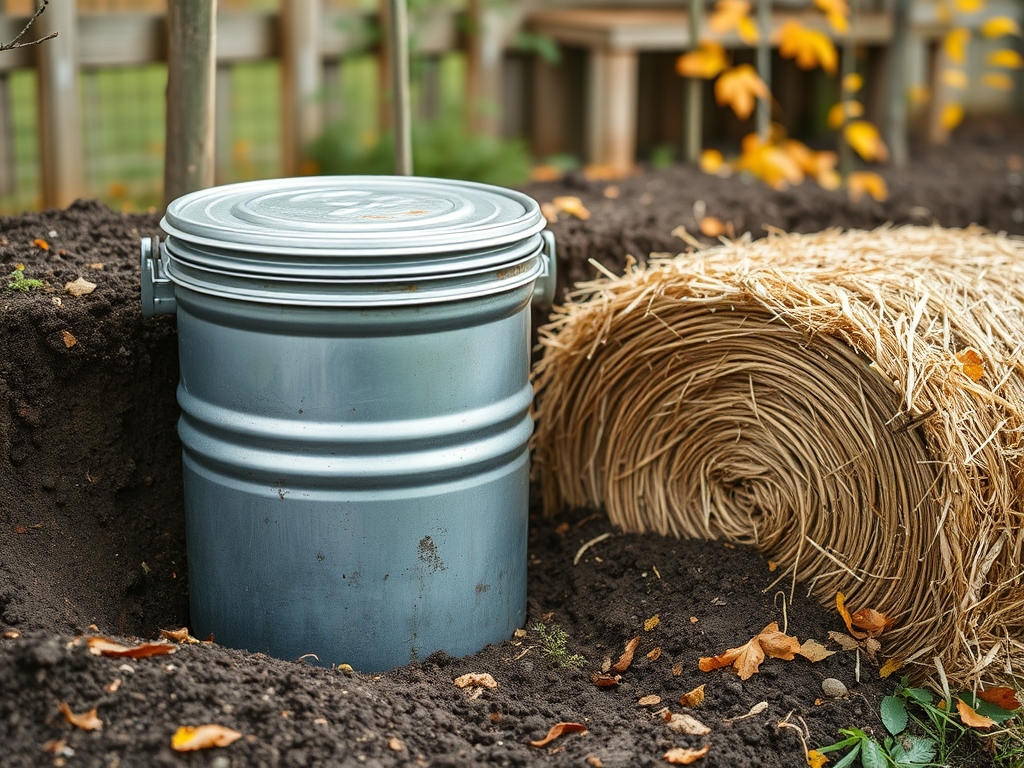
3. The buried barrel or dead-fridge cellar ($0–50). Sink a metal trash can, food-grade barrel or (classic homestead move) a scrapped chest freezer into the ground up to its lid — the earth below the frost line holds a steady cellar temperature all winter. Lid slightly propped for air, straw bale on top for insulation, done: an actual in-ground cellar for pocket change. Watch for: drainage (don’t bury it in a puddle spot) and rodent-proofing (metal beats plastic).
4. Leave-them-in-the-ground ($0, coldest climates). Parsnips, carrots and leeks tolerate freezing soil under 30 cm of straw or leaf mulch — mark the row, mulch deep before the ground freezes, and dig servings all winter. Parsnips actually improve (frost converts starch to sugar). Limits: not where winters are wet-and-mild (they rot) or where voles patrol.
5. A real cellar-ish room (someday). If you ever finish a basement corner: insulate it from the heated house, add two vents (cool air in low, stale air out high), and you’ve built the traditional thing. File under later — options 1–4 store a family’s harvest first.
Loading it right (where most storage fails)
- Cure first. Potatoes: two weeks dark at ~10–15°C to thicken skins. Onions/garlic: tops dried papery in an airy spot. Squash/pumpkins: 10 days somewhere warm to harden the rind. Curing is the difference between “keeps till spring” and “soft by Thanksgiving.”
- Only perfect produce. Every nick, bruise and fork-stab is a rot seed. Eat the damaged ones this month; store the flawless ones. Brutal triage now beats crate-funerals later.
- Don’t wash roots — brush the dirt off dry. Washing removes the protective skin barrier and adds the moisture rot loves.
- Quarantine the apples. Apples exhale ethylene, which sprouts your potatoes and ages everything nearby. Separate container, ideally a separate corner.
- The fortnight patrol. Every two weeks: sniff (rot announces itself), squeeze a sample, remove anything soft. One removed potato saves a crate; one ignored potato costs it. This 5-minute habit is 80% of success.
What months of storage actually looks like
Honest keeping times in decent conditions: potatoes 4–6 months · carrots/beets in sand 3–5 · onions and garlic 4–6 (dry corner) · winter squash 3–6 (butternut longest) · apples 2–4 · cabbage 2–3. A modest garden’s worth — two crates of potatoes, a sand box of roots, a braid of onions, a shelf of squash — is genuinely months of eating with zero processing: no jars, no blanching, no freezer space. That’s why cold storage earns its place beside freezing and drying in the preservation toolkit: it’s the method where doing less is the entire technique. Growing storage crops on purpose — a fall-harvest succession bed of carrots and beets — turns this from “storing leftovers” into an actual winter food plan.
Quick wins vs. crate-killers
What works
- Sand-box your carrots — the single best $10 in food storage
- Cure everything first (potatoes 2 wks dark, onions till papery, squash 10 days warm)
- Thermometer in the pile, blanket on hard-freeze nights
- Patrol every 2 weeks and evict anything soft immediately
What doesn't
- Storing the bruised ones ("it is only a small spot" — it never stays small)
- Washing roots before storage (skin is the preservative)
- Apples in with the potatoes (ethylene = sprouting + rot)
- Sealed airtight containers (storage crops are alive — they breathe)
FAQ
How do you store vegetables for winter without a root cellar?
Assemble the cellar conditions — cold (0–4°C), humid for roots, dark, ventilated — from what you have: an unheated garage or shed corner for crates of cured potatoes and squash-shelf duty, a box of damp sand for carrots and beets, mesh-hung onions and garlic in the driest cold spot, and optionally a buried barrel or trash can in the yard as a true in-ground cellar for under $50. Cure everything first, store only unblemished unwashed produce, and check the stores every two weeks.
What vegetables can be stored in sand?
Carrots, beets, turnips, rutabagas, parsnips, and celeriac — the hard storage roots. Layer them unwashed and not touching in barely-damp sand or sawdust inside a tote or crate, lid loose, kept somewhere cold. The sand holds the humidity that keeps roots crisp (the thing a refrigerator can’t do) while the cold holds them dormant; 3–5 months is normal. Don’t sand-store potatoes (they want dry-ish darkness, not damp) or anything bruised.
Can I use my garage as a root cellar?
If it’s unheated and attached to (or at least sheltered by) the house, usually yes for the cold months — many garages sit naturally in the 0–7°C band through winter. Use the coldest exterior-wall corner, keep a cheap thermometer in the crates, insulate with blankets or straw during hard freezes, and keep everything off the concrete floor (it wicks cold unevenly and traps moisture under crates). Detached metal garages in severe climates swing too hard below freezing — that’s buried-barrel territory instead.
Why do my stored potatoes sprout or turn green?
Green means light — even weak indirect light triggers chlorophyll plus bitter solanine, so potatoes need genuine darkness (a covered crate, not just a dim room); trim any green parts away before eating. Sprouting means too warm (above ~7°C they think it’s spring) or an apple nearby — apples release ethylene gas that breaks potato dormancy. Cold, dark, apple-free and ventilated, plus a two-week curing period at harvest, and good storage varieties hold quietly for 4–6 months.
Glivox publishes practical, honest guides for homesteaders and backyard growers — the cellar was never the point; the cold corner was.
Keep reading
guides
How to Preserve Your Vegetable Harvest (2026 Beginner's Guide)
Drowning in tomatoes and zucchini? A beginner's guide to preserving your vegetable harvest — freezing, canning, drying, root storage and fermenting, and which method suits each crop.
guides
What to Plant in July for a Fall Harvest (2026 Guide)
It's not too late — July is prime time for a second planting. What to sow now for a fall harvest, the frost-date math, and how to get seeds up in hot soil.
guides
Drying Herbs and Peppers at Home: Air, Oven, or Dehydrator (Honest Trade-offs)
The oldest preservation method is still the easiest — if you match it to the right crops. Hang-drying herbs, pepper ristras, oven and dehydrator honesty, and storage.