guides
12 Fast-Growing Vegetables to Plant in Summer (30–60 Days)
Started late or want a second harvest? 12 fast-growing vegetables that go from seed to plate in 30–60 days — perfect for summer planting.
Honest disclosure: Some links below are affiliate links — Glivox earns a commission if you purchase, at no extra cost to you. We pay full price for products we review and rankings are never paid. Read the full policy.
It’s the middle of summer and you’re either looking at empty beds you never got around to planting, or gaps where the spring crops just finished. Good news: it is absolutely not too late. A whole category of vegetables races from seed to harvest in 30–60 days — fast enough to squeeze in a full extra crop before fall, even if you’re starting now.
This is your shortlist of the fastest, most reliable summer-plantable vegetables, plus how to get them up in the heat (the one part that trips people up).
The speed list, straight up
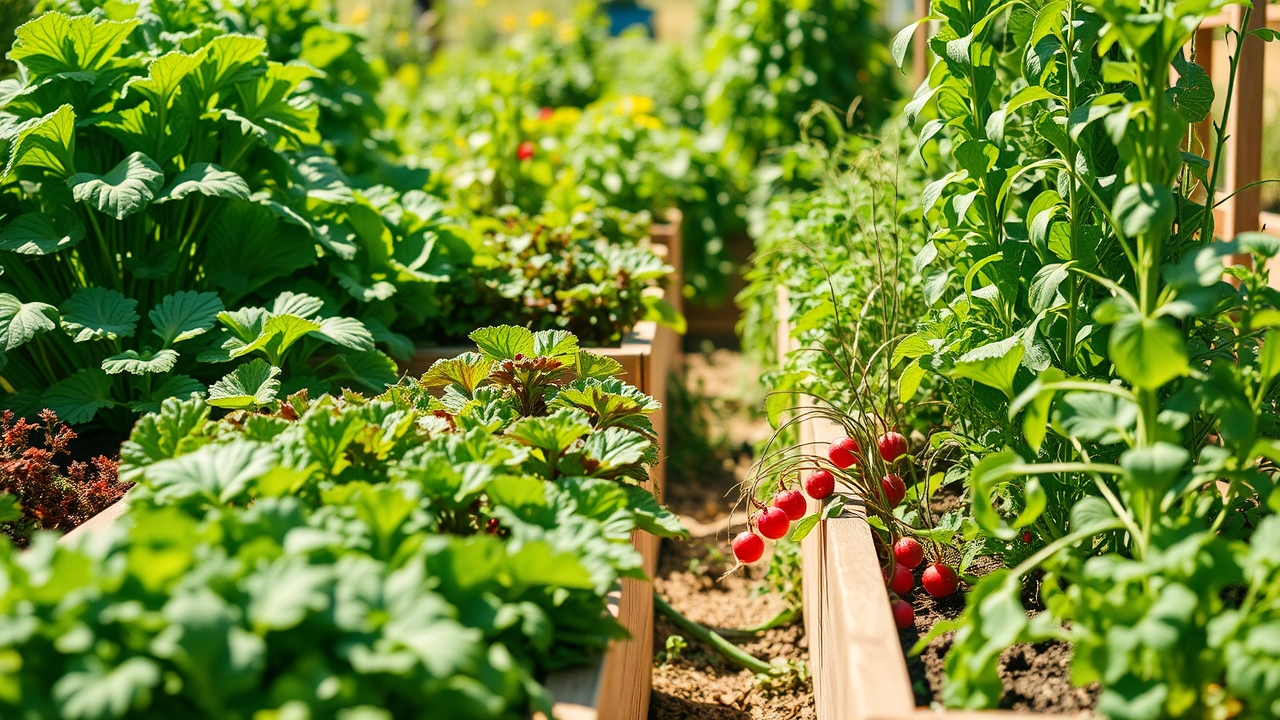
The speed champions are radishes (25–30 days), salad greens and arugula (30–40), bush beans (50–55), and summer squash/zucchini (45–55). The trick to summer sowing is keeping the soil moist and a little shaded until seeds sprout — heat dries the surface and stalls germination. Sow a small batch every 2 weeks (succession planting) and you’ll harvest continuously into fall.
Buy it if
you have empty space or just-cleared beds and want a real harvest before fall — these crops deliver in weeks, not months
Skip it if
you're in an area already cooling fast — check your first-frost date and count backwards using each crop's days-to-harvest
Try instead
Very late in the season? Stick to the very fastest (radishes, arugula, baby greens) or grow them in containers you can move somewhere protected
The 12 fastest summer vegetables
Roughly fastest to slowest. “Days” = seed to first harvest in good summer conditions.
- Radishes — 25–30 days. The undisputed speed king. Direct-sow, thin, harvest in under a month.
- Arugula — 30 days. Peppery salad green; cut leaves young, comes back for more.
- Lettuce (leaf/baby) — 30–45 days. Cut-and-come-again; give it afternoon shade in peak heat or it bolts.
- Spinach (heat-tolerant types) — 30–45 days. Choose bolt-resistant summer varieties; regular spinach struggles in heat.
- Bok choy / pak choi — 30–45 days. Fast, productive, great stir-fry green.
- Green onions / scallions — 30–60 days. Snip as needed; endlessly useful.
- Bush beans — 50–55 days. Heavy producers, fix nitrogen (improve your soil), love summer warmth.
- Summer squash / zucchini — 45–55 days. One or two plants can feed a household — almost too productive.
- Cucumbers — 50–60 days. Thrive in heat; train up a trellis to save space and get straighter fruit.
- Kale — 50–60 days for full leaves (sooner for baby). Productive for months; cut outer leaves and it keeps going.
- Swiss chard — 50–60 days. Heat- and cold-tolerant, cut-and-come-again all season.
- Beets — 50–60 days. Two crops in one — roots and edible greens.
25–60 days
Seed-to-harvest for these summer crops — enough time for a full extra round before fall
The one trick: getting seeds up in summer heat
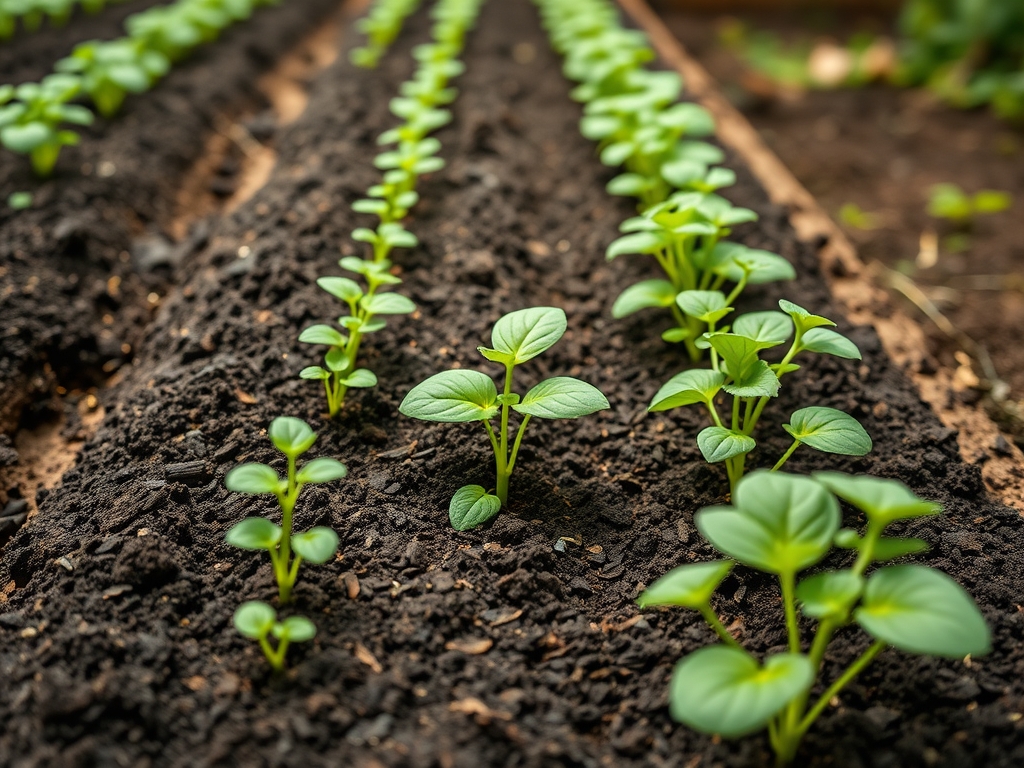
Most “my summer planting failed” stories come down to germination, not the plant. Hot, dry surface soil bakes seeds before they sprout. Fix it and the rest is easy:
- Keep the surface consistently moist until seedlings emerge — that may mean a light watering once or even twice a day in a heatwave. (Our summer watering guide covers the deeper rules once plants are established.)
- Shade the seedbed lightly — a board, shade cloth, or even a thin mulch layer keeps the soil cooler and damper until sprouts appear, then remove it.
- Sow a touch deeper than spring, so seeds sit in cooler, moister soil.
- Pick heat-tolerant / bolt-resistant varieties for greens — the seed packet usually says.
Plant in waves, harvest all season
The single highest-return habit for fast crops is succession planting: instead of sowing all your radishes or beans at once, sow a small batch every 1–2 weeks. You get a steady trickle of harvest instead of a glut-then-nothing, and beds refill the moment they clear. It’s the difference between “a big radish day” and “radishes whenever you want them” for two months straight.
Just count backwards from your first expected fall frost: take the crop’s days-to-harvest, add a couple weeks of buffer, and that’s your last safe sowing date — our July planting guide walks the fall math crop by crop. And if a crop does ripen all at once anyway, preserving the extra — freezing, drying, or canning — keeps a glut from going to waste.
Quick wins vs. things to avoid
What works
- Direct-sow the speed champs (radish, arugula, beans) straight into beds
- Keep the seedbed moist + lightly shaded until sprouts appear
- Succession-sow small batches every 1–2 weeks
- Pick heat/bolt-resistant varieties for summer greens
What doesn't
- Sowing everything at once, then feast-or-famine harvests
- Letting the surface dry out during germination (the #1 failure)
- Planting slow, long-season crops too late to mature before frost
- Using bolt-prone spring lettuce/spinach in peak heat
FAQ
What vegetables can I still plant in summer?
Plenty — focus on fast growers: radishes, arugula, leaf lettuce, spinach (heat-tolerant types), bok choy, green onions, bush beans, summer squash, cucumbers, kale, Swiss chard, and beets. Most go from seed to harvest in 30–60 days, so even a mid-summer start gives you a full crop before fall. Just check your first-frost date and choose crops that fit the remaining window.
What is the fastest growing vegetable?
Radishes — about 25–30 days from seed to harvest, faster than almost anything else. Close behind are arugula and baby salad greens (around 30 days). These are ideal when you’ve started late or want a quick win, and they’re perfect for succession sowing every couple of weeks for a continuous supply.
Is it too late to plant a summer vegetable garden?
Usually not. The key number is your area’s first fall frost date. Count backwards: take a crop’s days-to-harvest, add ~2 weeks of buffer, and if that lands before your frost date, you can plant it. Fast crops (radishes, greens, bush beans) keep the door open well into summer, and in mild climates you can sow into early fall.
How do I get seeds to germinate in hot weather?
Keep the soil surface consistently moist — water lightly once or twice a day until seedlings emerge — and shade the seedbed with a board, shade cloth, or thin mulch to keep it cooler and damper, removing it once sprouts appear. Sowing a little deeper than you would in spring also helps, putting seeds in cooler, moister soil. Heat-dried surface soil is the main reason summer sowings fail.
What does “succession planting” mean?
It means sowing small batches of a crop every 1–2 weeks instead of all at once. For fast vegetables this gives you a steady, continuous harvest rather than a single glut followed by empty beds. As one small sowing is harvested, the next is coming on — and beds get replanted the moment they clear, maximizing how much food a small space produces over the season.
Thirty days from now there are two versions of that empty bed — one still empty, one full of radishes. The seed packet costs $3; pick the second timeline.
Keep reading
guides
How to Start a Self-Sufficient Vegetable Garden (2026 Beginner's Guide)
A step-by-step guide to starting a backyard vegetable garden that actually feeds you — site, soil, what to plant first, and mistakes to avoid.
guides
How to Stop Pests Eating Your Vegetable Garden (Naturally)
Bugs destroying your summer harvest? A practical, no-spray-first guide to identifying common vegetable pests and stopping them with barriers, beneficial insects, and targeted organic fixes.
guides
How to Water a Vegetable Garden in Summer (Without Killing It)
Summer watering makes or breaks a vegetable garden. How much, how often, what time of day, and the watering mistakes that quietly kill plants in the heat — a practical 2026 guide.