guides
Common Tomato Problems in Summer (and How to Fix Each One)
Blossom-end rot, cracking, dropped flowers, hornworms, curling leaves — why each tomato problem happens and the fix that actually works, in one honest guide.
Honest disclosure: Some links below are affiliate links — Glivox earns a commission if you purchase, at no extra cost to you. We pay full price for products we review and rankings are never paid. Read the full policy.
Tomatoes are the most-grown vegetable in backyard gardens — and the most complained about. Every July the same messages appear in every gardening group: black bottoms, split skins, flowers falling off, giant green worms, leaves curling like paper. The good news: almost every scary-looking tomato problem traces back to a handful of causes, most of them fixable this week — and most of them, at their root, are about water and heat, not disease.
Here’s the field guide: what each problem looks like, what’s actually causing it, and the fix that works (plus the “fixes” that waste your time). (Squash and cucumbers falling apart too? They get their own fix-it guide.)
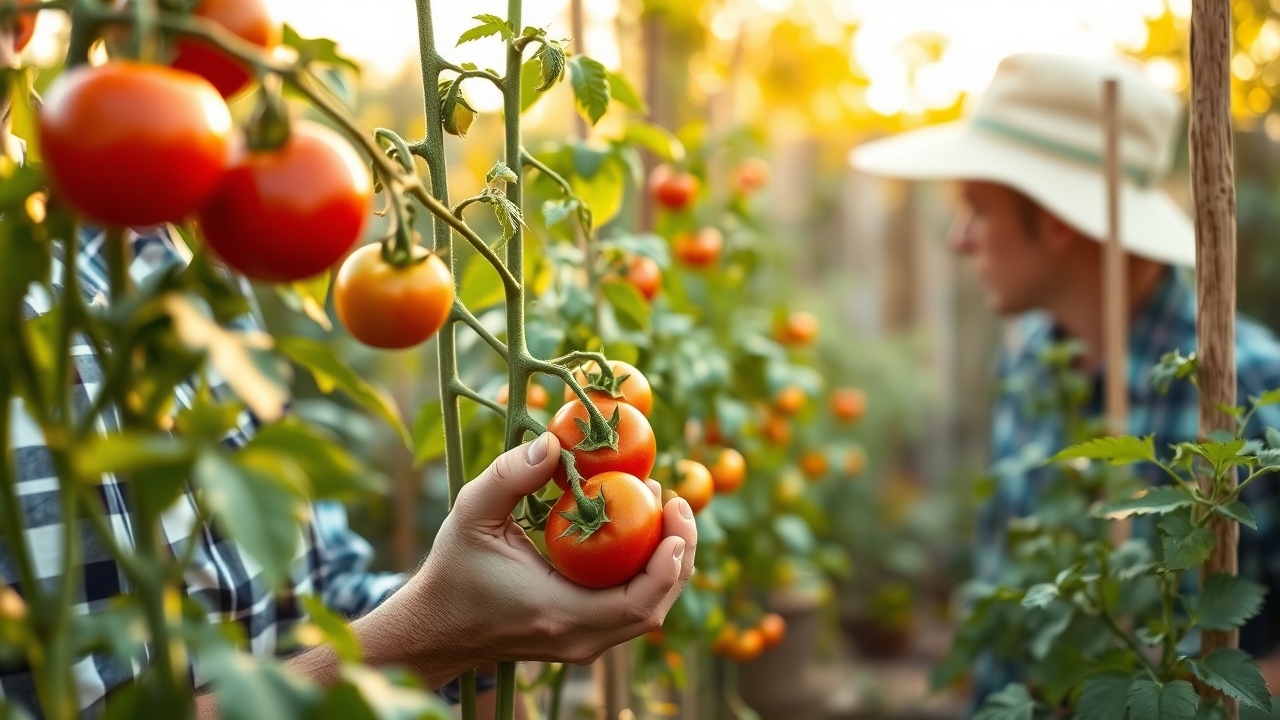
TL;DR — most tomato problems are watering problems
Blossom-end rot (black sunken bottoms) = inconsistent watering blocking calcium delivery — not a soil deficiency; water evenly and mulch. Cracking = a flood of water after a dry spell; same fix. Flowers dropping without fruit = heat above ~90°F — shade and wait, the plant resumes when it cools. Hornworms = handpick them. Tightly rolled lower leaves = usually harmless heat stress. Even, deep, mulched watering prevents the majority of everything on this list.
Buy it if
your tomatoes have black bottoms, split skins, or dropped flowers — every one of these has a concrete fix you can start today
Skip it if
ripping out plants at the first ugly fruit — most problems only affect the fruit formed during the stress window; the next flush is usually fine
Try instead
If a plant is truly virus-stricken (mottled, stunted, distorted new growth), remove that plant — but that's the rare case, not the July default
1. Black, sunken bottoms — blossom-end rot
What you see: a dark, leathery, sunken patch on the bottom of the fruit, usually the first fruits of the season.
What’s really happening: a calcium delivery problem, not (usually) a calcium shortage. Calcium moves through the plant with water — when soil moisture swings between soaked and bone-dry, the fruit’s far end runs short while it’s forming, and the tissue collapses. Most garden soils have plenty of calcium.
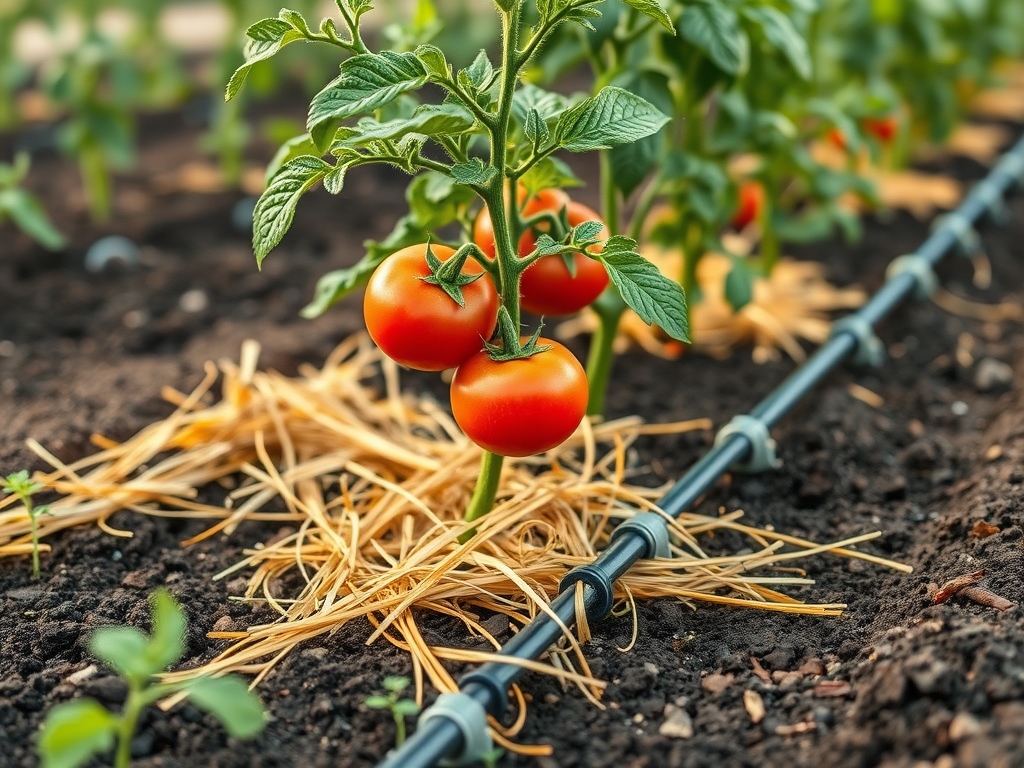
The fix: even, consistent moisture — deep watering on a regular rhythm plus a 2–3 inch mulch layer to stop the swings (our summer watering guide covers the deep-and-infrequent method). Remove affected fruit so the plant stops investing in it. Later fruit on the same plant is usually clean.
Skip: eggshells in the planting hole, calcium sprays, Epsom salt. Eggshells break down far too slowly to matter this season, and Epsom salt (magnesium) can actually compete with calcium uptake. The watering rhythm is the cure.
2. Split and cracked fruit
What you see: ripe or ripening fruit with circular cracks around the stem or long splits down the side — often right after a heavy rain.
What’s really happening: the inside of the fruit grew faster than the skin could stretch. A dry spell followed by a sudden soak (a storm, or a guilty heavy watering) pumps water into the fruit and the skin gives way.
The fix: the same even-moisture rhythm as blossom-end rot — mulch plus regular deep watering means no boom-and-bust. If a big storm is coming and fruit is nearly ripe, pick it early and let it finish on the counter; tomatoes ripen fine off the vine once they’ve started turning color. Cracked fruit is still edible — just eat it soon, before rot moves into the crack.
2-3 in / 5-8 cm
Mulch layer that evens out soil moisture — the single fix behind rot, cracking, and roll
3. Flowers drop without setting fruit
What you see: the plant looks healthy and keeps flowering, but blossoms yellow at the stem and fall — no tomatoes.
What’s really happening: heat. Tomato pollen goes sterile when days run above roughly 90°F / 32°C (or nights stay above ~75°F / 24°C). The flower can’t pollinate, so the plant sheds it. Nothing is “wrong” with the plant — it’s waiting out the weather.
The fix: mostly patience — fruit set resumes when the heat breaks. Meanwhile: keep watering consistent, use 30–40% shade cloth during heatwaves (see the heat-protection guide), and gently shake flowering stems mid-morning to help any viable pollen along. Cherry tomatoes usually keep setting when big slicers stall — if your summers run hot, plant some next year.
4. Big green caterpillars stripping leaves — hornworms
What you see: whole leaflets vanishing overnight, black pellet droppings on lower leaves, and (once you finally spot it) a fat green caterpillar the size of your finger, perfectly camouflaged.
The fix: handpicking wins. Check at dusk or early morning, follow the droppings upward, and drop the worm in soapy water. A UV flashlight at night makes them glow — weirdly effective. For heavy infestations, Bt (Bacillus thuringiensis) spray targets caterpillars without harming bees or ladybugs.
One exception: a hornworm covered in small white rice-like cocoons is already being eaten alive by parasitic wasp larvae — leave that one; the wasps it releases patrol your garden for free. That predator-friendly logic runs through our whole pest-control approach.
5. Leaves curling or rolling
What you see: lower leaves rolling upward into tubes, feeling thick or leathery — usually mid-summer.
What’s really happening: most of the time this is physiological leaf roll — a harmless stress response to heat, drought swings, or heavy pruning. The plant is reducing its exposed surface. Fruit and yield are typically unaffected.
When to actually worry: if it’s the new top growth that’s distorted, mottled yellow, or fern-like — that pattern points to a virus or herbicide drift, and an affected plant won’t recover (remove it so it doesn’t spread). But rolled lower leaves on an otherwise normal plant in July? Mulch, water evenly, ease off hard pruning, and move on.
6. Spots creeping up from the bottom — early blight & septoria
What you see: lower leaves developing dark spots (bullseye rings = early blight; many small dots = septoria), yellowing, and dying, with the problem climbing the plant week by week.
What’s really happening: fungal spores that live in soil splash onto the lowest leaves when you water or it rains, then each infected leaf seeds the one above it.
The fix — break the splash chain:
- Prune the lowest 12 inches / 30 cm of leaves so nothing touches soil.
- Mulch — it’s a physical barrier between spore-laden soil and foliage.
- Water at the base, not overhead, and in the morning so leaves dry fast.
- Remove spotted leaves promptly (trash, not compost — home piles rarely run hot enough to kill the spores).
- Next year: rotate where tomatoes grow and space plants for airflow.
Caught early, a plant easily outgrows it. It’s ugly before it’s fatal — and rarely fatal if you break the chain.
7. Pale, papery patches on fruit — sunscald
What you see: white-to-yellow papery patches on the sun-facing side of fruit, often after an enthusiastic pruning session.
What’s really happening: literal sunburn. Fruit that developed in leaf shade suddenly got full afternoon sun.
The fix: prune for airflow, not for maximum exposure — keep enough canopy to shade the fruit. If you’ve already over-pruned, drape 30–40% shade cloth over the worst-hit side during the hottest weeks.
Quick wins vs. time-wasters
What works
- Mulch 2–3 inches + deep regular watering — prevents rot, cracking, and leaf roll at once
- Prune the lowest 30 cm of leaves + water at the base — stops most early blight
- Handpick hornworms at dusk (follow the droppings); spare wasp-cocooned ones
- Shade cloth (30–40%) through heatwaves — protects both flowers and fruit
What doesn't
- Eggshells or Epsom salt for blossom-end rot (delivery problem, not a deficiency)
- Pulling a plant over rolled lower leaves (harmless heat stress, not disease)
- Overhead evening watering (wet leaves overnight = a fungus invitation)
- Stripping the plant bare so fruit "gets sun" (that is how you make sunscald)
FAQ
Why are my tomatoes rotting on the bottom?
That’s blossom-end rot — a calcium delivery failure inside the fruit, almost always triggered by soil moisture swinging between wet and dry while the fruit formed, not by a lack of calcium in your soil. Fix the rhythm: deep, regular watering plus a 2–3 inch mulch layer to hold moisture steady. Remove the affected fruit. Skip eggshells and calcium sprays — by the time symptoms show, the fix is consistent water, and later fruit on the same plant usually comes out clean.
Why are my tomatoes splitting or cracking?
The fruit took on water faster than its skin could stretch — the classic pattern is a dry spell followed by heavy rain or a big catch-up watering. Keep soil moisture even with mulch and a regular deep-watering rhythm, and if a storm is coming, pick nearly-ripe fruit early and let it finish ripening indoors. Cracked tomatoes are safe to eat; just use them quickly before rot starts in the wound.
Why are my tomato flowers falling off without making fruit?
Heat. When daytime temperatures push past about 90°F (32°C) — or nights stay above ~75°F (24°C) — tomato pollen goes sterile, the flower can’t set fruit, and the plant drops it. The plant itself is fine. Keep it consistently watered, shade it with 30–40% shade cloth in heatwaves, and fruit set resumes on its own when temperatures ease. Cherry tomatoes tolerate heat better than large slicers.
What is eating my tomato leaves overnight?
If whole leaflets are disappearing and you find black pellet droppings, it’s almost certainly tomato hornworms — large green caterpillars camouflaged along the stems. Handpick at dusk or dawn (a UV flashlight makes them glow at night) and drop them in soapy water. If one is covered in white rice-like cocoons, leave it: parasitic wasps are already killing it, and they’ll patrol the rest of your garden next.
Should I worry about my tomato leaves curling?
Usually not. Lower leaves rolling upward into thick tubes in mid-summer is physiological leaf roll — a harmless response to heat and moisture swings that doesn’t hurt yield. Even out watering, mulch, and ease off heavy pruning. The time to worry is when the newest top growth is distorted, mottled, or fern-like — that suggests a virus or herbicide drift, and that plant should come out before the problem spreads.
Glivox publishes practical, honest guides for homesteaders and backyard growers. Most “plant emergencies” are water problems wearing a costume — fix the rhythm and the plant fixes itself.
Keep reading
guides
How to Protect Your Vegetable Garden in Extreme Heat (2026 Summer Guide)
A heatwave can wilt a garden in a day. How to protect vegetables from extreme heat — shade, mulch, smart watering, and the mistakes to avoid.
guides
How to Stop Pests Eating Your Vegetable Garden (Naturally)
Bugs destroying your summer harvest? A practical, no-spray-first guide to identifying common vegetable pests and stopping them with barriers, beneficial insects, and targeted organic fixes.
guides
How to Water a Vegetable Garden in Summer (Without Killing It)
Summer watering makes or breaks a vegetable garden. How much, how often, what time of day, and the watering mistakes that quietly kill plants in the heat — a practical 2026 guide.