guides
How to Stop Pests Eating Your Vegetable Garden (Naturally)
Bugs destroying your summer harvest? A practical, no-spray-first guide to identifying common vegetable pests and stopping them with barriers, beneficial insects, and targeted organic fixes.
Honest disclosure: Some links below are affiliate links — Glivox earns a commission if you purchase, at no extra cost to you. We pay full price for products we review and rankings are never paid. Read the full policy.
You go out one summer morning and the tomato seedlings you babied for weeks are skeletonized overnight. Or the squash that looked perfect yesterday is wilting from a hidden borer. Summer is when pests show up in force — and the instinct to reach for a spray bottle is exactly the move that often makes next month worse.
This is a practical, calm guide to dealing with vegetable pests: identify what’s actually eating your plants, stop the common ones with the least-toxic method that works, and build a garden that mostly defends itself. No fear-mongering, no “nuke everything” — just what actually keeps food on the plant.
The pest-control ladder (climb it in order)
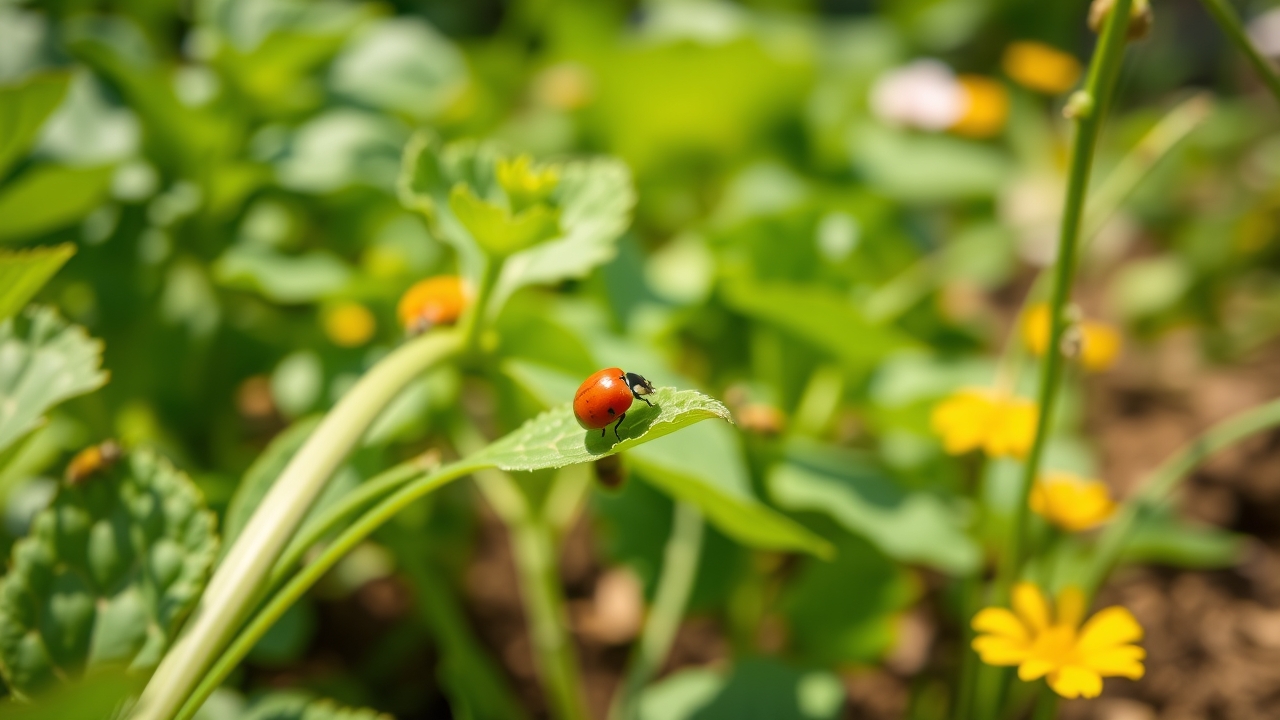
Work from the gentlest fix up, not the other way around: identify the pest first, then pick off / blast with water, then physical barriers (row cover, collars), then invite predators (ladybugs, birds), and only as a last resort targeted organic sprays (insecticidal soap, neem, Bt). Broad chemical sprays are the bottom of the ladder because they kill the beneficial insects that were doing your pest control for free.
Buy it if
you want a resilient garden — identify, use barriers + beneficial insects first, spray only as a targeted last resort
Skip it if
reaching for a broad-spectrum chemical spray at the first chewed leaf — it kills your allies and breeds tougher pests
Try instead
Overwhelmed? Start with one move: floating row cover over your most-attacked crop. It physically stops most pests with zero spray.
Step 1 — Identify before you act
Spraying without knowing the pest is how people waste money and kill helpers. Most damage in a summer vegetable garden comes from a short list:
- Aphids — tiny green/black clusters on new growth and leaf undersides; sticky residue, curled leaves.
- Cabbage worms — velvety green caterpillars chewing holes in brassicas (kale, cabbage, broccoli); look for the white moths.
- Tomato hornworms — big green caterpillars that strip tomato/pepper foliage fast; hard to spot, easy once you see the bare stems and dark droppings.
- Squash bugs / vine borers — wilting squash and zucchini; borers tunnel into stems, squash bugs cluster at the base.
- Slugs & snails — ragged holes and slime trails, worst in damp shade and after watering.
- Flea beetles — tiny “shot-hole” pinpricks all over leaves, especially on seedlings.
Check the undersides of leaves and the base of stems — that’s where most pests hide. A two-minute daily walk catches infestations while they’re still small and easy.
Step 2 — Physical removal & barriers (the underrated workhorses)
Before anything you spray, these stop a huge share of damage:
- Hand-pick the big ones — hornworms, squash bugs, cabbage worms. Drop them in soapy water. Unglamorous, but for caterpillars it’s the single most effective thing you can do.
- Blast aphids off with a strong jet of water every couple of days — it knocks them down faster than they recover.
- Floating row cover — lightweight fabric draped over crops physically blocks moths, beetles, and bugs from ever reaching the plant. The best single defense for brassicas and young seedlings. (Remove it when flowering crops need pollinators.)
- Collars around seedling stems stop cutworms; copper tape deters slugs.
Barriers first
Row cover + hand-picking stop most summer pests with zero spray and zero harm to pollinators
Step 3 — Invite the predators (free, permanent pest control)
A garden full of beneficial insects polices itself. The goal is to make pests someone else’s lunch:
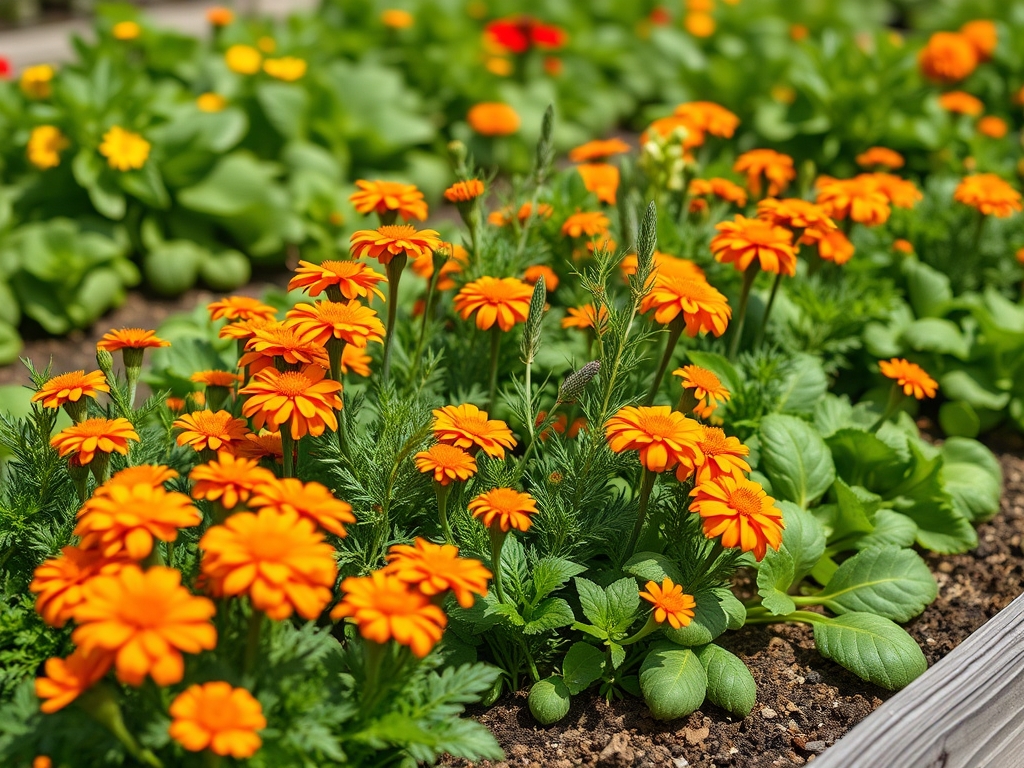
- Ladybugs and lacewings devour aphids by the hundreds. Attract them by planting flowers (alyssum, dill, marigold, yarrow) near your vegetables.
- Parasitic wasps (tiny, harmless to you) wipe out hornworms and aphids — if you see a hornworm with white rice-like cocoons on its back, leave it; wasps are hatching to kill more.
- Birds, frogs, and ground beetles eat slugs and caterpillars — a little habitat (a water source, some cover) brings them in.
This is why broad sprays backfire: kill the aphids and the ladybugs, and the next aphid wave explodes with nothing to stop it. Companion planting flowers among your vegetables is one of the highest-return, lowest-effort pest strategies there is — we distilled the pairs that actually work (and the myths to skip) into a free printable cheat sheet.
Step 4 — Targeted organic sprays (last resort, used right)
When an infestation is genuinely ahead of you, reach for the most targeted option — not a broad killer:
- Insecticidal soap — for soft-bodied pests (aphids, mites, whiteflies). Coats and kills on contact, breaks down fast. Spray leaf undersides, early morning or evening.
- Neem oil — disrupts a range of pests and some fungal issues; use sparingly and never on flowers in bloom (it can harm bees).
- Bt (Bacillus thuringiensis) — a naturally occurring bacterium that kills caterpillars (cabbage worms, hornworms) and almost nothing else — about as targeted as it gets.
- Diatomaceous earth — a physical (not chemical) dust that deters slugs and soft crawlers; reapply after rain.
Even “organic” sprays can harm beneficial insects if used carelessly — spray only the affected plant, only when needed, and not on open flowers. The point of the ladder is to need these rarely.
Build a garden that defends itself
The real win isn’t winning one bug battle — it’s a garden that mostly handles pests on its own:
- Healthy soil + right watering = stronger plants that shrug off minor damage. (Stressed, thirsty plants are pest magnets — see our summer watering guide.)
- Diversity — mixing crops and flowers (not big monoculture blocks) makes it harder for any one pest to take over.
- Crop rotation each season breaks pest life cycles in the soil.
- Daily observation — the cheapest tool you own; small problems caught early never become disasters.
Pest-control mistakes to avoid
What works
- Identify the pest before treating anything
- Hand-pick + water-blast + row cover before any spray
- Plant flowers to recruit ladybugs and parasitic wasps
- If you must spray, use the most targeted option (Bt, soap) on the affected plant only
What doesn't
- Reaching for a broad chemical spray at the first chewed leaf
- Spraying anything (even organic) on flowers where bees forage
- Killing the beneficial insects that were controlling pests for free
- Ignoring leaf undersides and stem bases where pests hide
FAQ
How do I keep bugs off my vegetable plants naturally?
Work up a ladder from gentlest to strongest: identify the pest, hand-pick big ones and blast aphids off with water, use floating row cover to physically block pests, plant flowers to attract predator insects like ladybugs, and only spray targeted organic products (insecticidal soap, neem, Bt) on affected plants as a last resort. Avoid broad chemical sprays — they kill the beneficial insects that control pests for free.
What is eating my plants overnight?
Overnight damage is usually caterpillars (cabbage worms, hornworms), slugs and snails (look for slime trails and ragged holes), or earwigs. Go out with a flashlight after dark — that’s when many of these feed and you can hand-pick them. Daytime “shot-hole” pinprick damage on seedlings is more likely flea beetles, and sticky curled leaves point to aphids.
Do marigolds actually keep pests away?
Partly — but the bigger benefit is attraction, not repellence. Marigolds and other flowers (alyssum, dill, yarrow) draw in ladybugs, lacewings, and parasitic wasps that eat aphids, hornworms, and other pests. So companion-planting flowers among your vegetables builds a free, ongoing pest-control workforce. Don’t rely on marigolds as a force field; rely on the predators they bring.
Is neem oil or insecticidal soap better?
They overlap but suit different jobs. Insecticidal soap is best for soft-bodied pests (aphids, mites, whiteflies) — it kills on contact and breaks down fast. Neem oil covers a wider range of pests plus some fungal issues but is stronger, so use it sparingly. Both should go on leaf undersides in early morning or evening, and neither should touch open flowers where bees forage. For caterpillars specifically, Bt is more targeted than either.
Should I use chemical pesticides if the infestation is bad?
Almost never as a first move. Broad-spectrum chemicals kill the beneficial insects that were keeping other pests in check, so you often trade one problem for a worse rebound — and pests can build resistance. For a bad infestation, escalate within the organic ladder: aggressive hand-picking + row cover + a targeted product (Bt for caterpillars, soap for aphids) on just the affected plants. A resilient, diverse garden with healthy soil rarely reaches the point where stronger measures are even tempting.
Identify first, squish second, spray last — the ladder exists because rung one solves most infestations for free.
Keep reading
guides
12 Fast-Growing Vegetables to Plant in Summer (30–60 Days)
Started late or want a second harvest? 12 fast-growing vegetables that go from seed to plate in 30–60 days — perfect for summer planting.
guides
How to Protect Your Vegetable Garden in Extreme Heat (2026 Summer Guide)
A heatwave can wilt a garden in a day. How to protect vegetables from extreme heat — shade, mulch, smart watering, and the mistakes to avoid.
guides
How to Water a Vegetable Garden in Summer (Without Killing It)
Summer watering makes or breaks a vegetable garden. How much, how often, what time of day, and the watering mistakes that quietly kill plants in the heat — a practical 2026 guide.