guides
How to Protect Your Vegetable Garden in Extreme Heat (2026 Summer Guide)
A heatwave can wilt a garden in a day. How to protect vegetables from extreme heat — shade, mulch, smart watering, and the mistakes to avoid.
Honest disclosure: Some links below are affiliate links — Glivox earns a commission if you purchase, at no extra cost to you. We pay full price for products we review and rankings are never paid. Read the full policy.
A heatwave is the one weather event that can undo weeks of work in a single afternoon. You water in the morning, everything looks fine, and by 4pm the tomatoes are flopping, the lettuce has bolted, and the squash leaves hang like wet paper. The plants aren’t necessarily dying — most are just trying to survive — but how you respond over the next few days decides whether they bounce back or give up.
The good news: protecting a vegetable garden from extreme heat isn’t expensive or complicated. It’s a handful of physical moves — shade, mulch, water timing, and knowing what not to do — that buy your plants the margin they need to ride out a hot spell. Here’s the practical playbook.
The heatwave playbook — surviving a heatwave
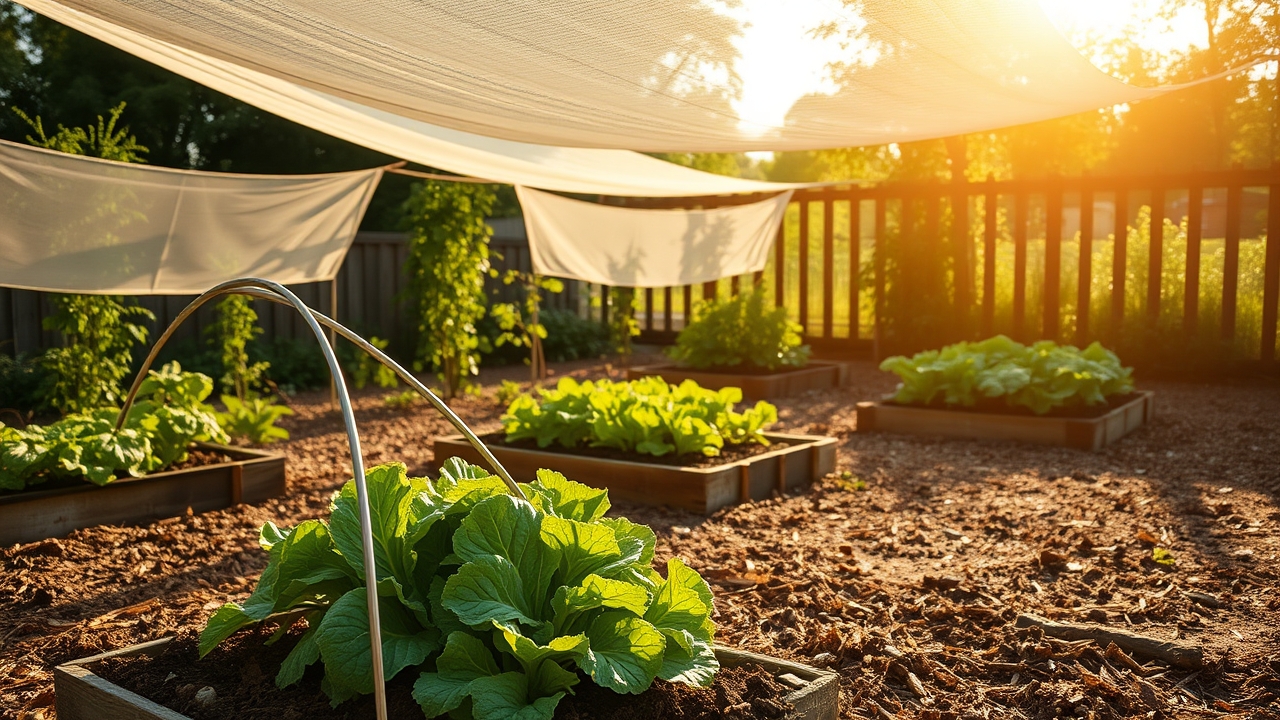
When temperatures spike above ~90°F (32°C), do four things: mulch deeply to keep roots cool and soil moist, add temporary shade over the most vulnerable crops (shade cloth, a sheet, anything that blocks midday sun), water deeply in the early morning so plants go into the heat fully charged, and stop stressing them — no fertilizing, transplanting, or heavy pruning until it passes. Afternoon wilting is often heat self-defense, not thirst, so check the soil before you reach for the hose.
Buy it if
a heatwave is forecast and you want your garden to come through it — shade + mulch + morning deep-watering is the whole defense
Skip it if
nothing to skip in real summer heat; even tough plants benefit from shade and mulch during extremes
Try instead
Can't shade everything? Protect the most heat-sensitive crops first (lettuce, greens, newly planted seedlings, containers) and let the heat-lovers fend for themselves
First: is it heat stress or thirst?
This is the mistake that kills more plants than the heat itself. On a hot afternoon, many vegetables — squash, cucumbers, beans, tomatoes — let their leaves wilt on purpose. Drooping reduces the surface area facing the sun and slows water loss. It looks alarming, but it’s the plant protecting itself.
The test is simple: check the soil, not the leaves. Push a finger 2 inches down.
- Damp soil + wilting = heat stress. The plant is fine; it’ll perk back up in the evening. Watering now does nothing useful and can even suffocate roots in already-moist soil.
- Dry soil + wilting = real thirst. Water deeply, at the base, right away.
- Wilting that’s still there at sunrise the next morning = genuine trouble; the plant couldn’t recover overnight, so check roots and water.
Learning to tell these apart saves water and stops you from drowning plants that were never thirsty.
Defense 1 — Mulch is your first line
A thick layer of mulch is the single cheapest, most effective heat defense there is. A 2–4 inch blanket of straw, shredded leaves, grass clippings, or wood chips over the soil does three things at once in a heatwave:
- Keeps the root zone cooler — bare soil in full sun can hit temperatures that cook shallow roots; mulched soil stays dramatically lower.
- Slashes evaporation, so the moisture you give plants actually stays available instead of baking off.
- Stops the surface from crusting and cracking, which is what lets remaining moisture escape fastest.
If you do only one thing before a hot spell, mulch your beds. The difference between mulched and bare soil during a heatwave is the difference between “checked on it Saturday” and “watered it twice a day in a panic.”
2–4 in
Mulch depth that keeps roots cool and dramatically cuts evaporation in a heatwave
Defense 2 — Add temporary shade
When the forecast hits the 90s and beyond, blocking the midday and afternoon sun is the highest-impact move for sensitive crops. You’re not trying to plunge the garden into darkness — just knock the intensity down during the worst hours (roughly 11am–4pm).
Options, cheapest first:
- Shade cloth (30–50% density) on stakes or hoops is the purpose-built tool — reusable season after season, and 40% shade can drop leaf temperature noticeably while still letting plants photosynthesize.
- Anything you already own: an old bedsheet, a beach umbrella, a row cover, even cardboard propped on the sunny side. It doesn’t have to be pretty for a 3-day heatwave.
- Prioritize the vulnerable: leafy greens (lettuce, spinach, arugula), recently transplanted seedlings, and anything in a container. Established heat-lovers like peppers, okra, and eggplant usually don’t need it.
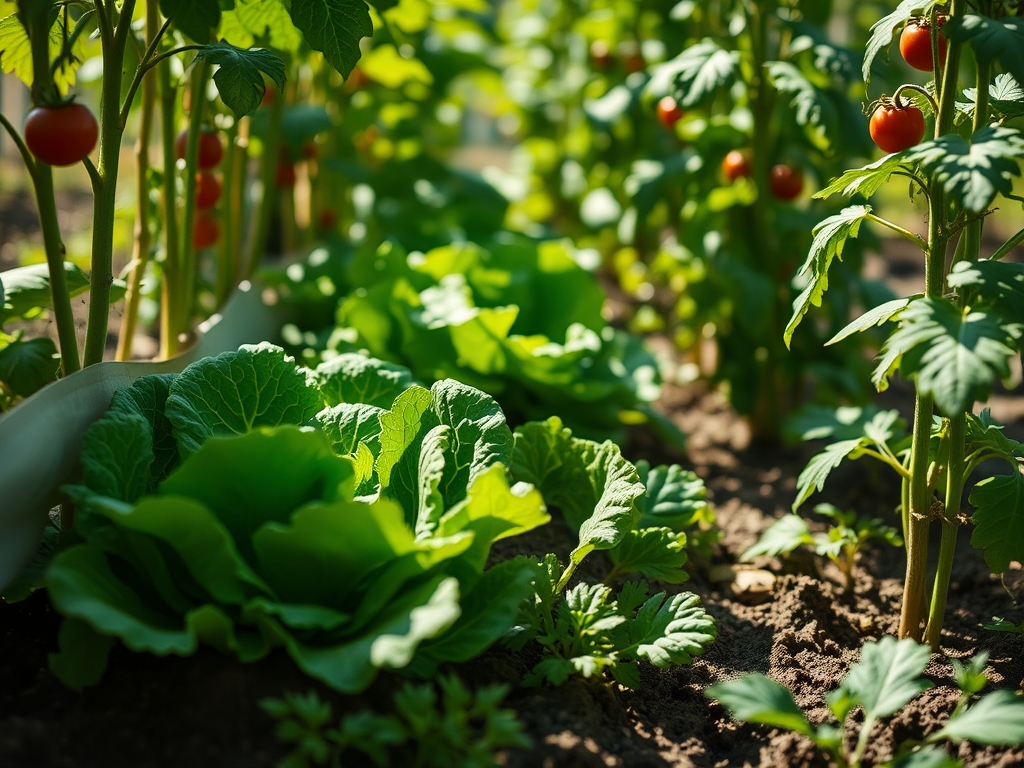
A free version of this is living shade: planting heat-sensitive greens on the east side of tall crops (corn, trellised beans, tomatoes) so they get morning sun and afternoon shade naturally. Plan that into the layout and the garden shades itself.
Defense 3 — Water deep, water early
Watering technique matters even more in extreme heat — but the rules are the same ones that govern all good summer watering: deep, early, and at the soil.
- Early morning is critical in a heatwave. Water before the sun is high so plants enter the hottest part of the day fully hydrated, and so the soil (not the air) gets the water.
- Deep, not frequent. A long soak that wets 6–8 inches down sends roots deeper, toward cooler, moister soil — exactly where you want them when the surface is baking.
- At the base, never overhead at midday. Water droplets on leaves in blazing sun waste water to evaporation and stress the plant further.
- Containers may need a second drink in late afternoon — they dry out fast and can’t buffer heat like ground soil.
For the full rules on how much and how often (the deep-and-infrequent method that builds heat-resilient roots), see our summer watering guide — it’s the foundation everything here builds on.
Defense 4 — Stop stressing the plants
In extreme heat, the best thing you can often do is less. Anything that asks a plant to put energy into new growth or repair competes with its struggle to stay cool and hydrated. During a heatwave, hold off on:
- Fertilizing — pushing new tender growth in a heatwave is asking for burnt leaves. Wait until it cools.
- Transplanting — moving seedlings into blazing heat is brutal; if you must, do it at dusk and shade them heavily.
- Heavy pruning — leaves, even wilting ones, shade the fruit and the soil. Don’t strip them off.
- Harvesting in the afternoon — pick in the cool of early morning when produce is crisp and the plant isn’t already maxed out. Fruit picked in afternoon heat wilts faster too.
Think of a heatwave as a few days where the garden is in survival mode. Your job is to remove stress, not add projects.
Defense 5 — Plant for heat in the first place
The longest-term fix is choosing crops and timing that suit a hot climate. Heat-lovers — okra, peppers, eggplant, sweet potatoes, Malabar spinach, cowpeas, Swiss chard — shrug off temperatures that flatten lettuce. Leaning your summer planting toward them means less rescue work later.
And if a hot spell does wipe out a bed, fast-growing crops let you recover quickly once it passes — many go from seed to harvest in a month or two. Our guide to the best fast-growing summer vegetables covers what to replant for a quick second crop, and our natural pest-control guide helps with the bugs that tend to pile onto already heat-stressed plants.
Containers need extra care
Pots, grow bags, and raised beds heat up and dry out far faster than the ground — the limited soil volume can’t buffer temperature or moisture. In a heatwave:
- Move what you can into afternoon shade, or group containers together so they shade each other.
- Check daily, sometimes twice — a container can go from moist to bone-dry in a single hot afternoon.
- Light-colored or insulated pots stay cooler than thin black plastic, which can cook roots against the sides.
Heatwave do’s and don’ts
What works
- Mulch 2–4 inches deep to keep roots cool and hold moisture
- Shade vulnerable crops during the 11am–4pm peak
- Water deeply at the soil in early morning
- Pause fertilizing, transplanting, and heavy pruning until it passes
- Harvest and check plants in the cool of early morning
What doesn't
- Panic-watering plants that are wilting in moist soil (heat self-defense, not thirst)
- Overhead watering in midday sun
- Stripping off wilting leaves that shade fruit and soil
- Leaving containers unchecked in full afternoon sun
- Pushing new growth with fertilizer mid-heatwave
FAQ
How do I protect my vegetable garden from extreme heat?
Focus on four moves: mulch the soil 2–4 inches deep to keep roots cool and reduce evaporation, add temporary shade (shade cloth, a sheet, or a row cover) over heat-sensitive crops during the midday-to-afternoon peak, water deeply in the early morning so plants are fully hydrated before the heat hits, and stop stressing plants — no fertilizing, transplanting, or heavy pruning until the heatwave passes. Protect leafy greens, seedlings, and containers first; established heat-lovers usually cope on their own.
Why are my plants wilting even though the soil is wet?
That’s almost always heat stress, not thirst. Many vegetables deliberately wilt their leaves in intense afternoon sun to reduce water loss and surface area — it’s self-defense, and they typically recover by evening. Always check the soil 2 inches down before watering: if it’s damp, leave it alone; watering already-moist soil can suffocate roots. Only water if the soil is genuinely dry, or if the plant is still wilted at sunrise the next morning.
What temperature is too hot for a vegetable garden?
Most vegetables grow happily up to around 85–90°F (29–32°C). Above that, many slow down: pollination can fail on tomatoes and peppers (why tomato flowers drop in the heat — and the other scary-but-fixable tomato symptoms — is covered in our tomato problems guide), cool-season greens bolt or turn bitter, and fruit set drops. Sustained temperatures above ~95°F (35°C) put real stress on most crops, which is when shade, mulch, and careful watering matter most. Dedicated heat-lovers like okra, peppers, and sweet potatoes tolerate considerably higher temperatures.
Does shade cloth really help in a heatwave?
Yes — it’s one of the most effective tools. A 30–50% shade cloth blocks part of the harshest midday and afternoon sun while still letting plants photosynthesize, which can noticeably lower leaf and soil temperature and reduce wilting and bolting in sensitive crops. You don’t need to cover the whole garden; just shade the vulnerable ones (greens, seedlings, containers) during the hottest hours. A sheet or row cover works in a pinch if you don’t have shade cloth.
Should I water my garden twice a day when it’s very hot?
Usually no for in-ground beds — deep, infrequent watering builds the deep roots that survive heat best, so one thorough early-morning soak is better than two shallow ones. The main exception is containers and raised beds, which dry out fast and may genuinely need a second drink in late afternoon. For everything else, check the soil 2 inches down before adding water; frequent shallow watering trains weak surface roots that suffer more, not less, in extreme heat.
Glivox publishes practical, honest guides for homesteaders and backyard growers. No hype — just what actually keeps food growing.
Keep reading
guides
12 Fast-Growing Vegetables to Plant in Summer (30–60 Days)
Started late or want a second harvest? 12 fast-growing vegetables that go from seed to plate in 30–60 days — perfect for summer planting.
guides
How to Stop Pests Eating Your Vegetable Garden (Naturally)
Bugs destroying your summer harvest? A practical, no-spray-first guide to identifying common vegetable pests and stopping them with barriers, beneficial insects, and targeted organic fixes.
guides
How to Water a Vegetable Garden in Summer (Without Killing It)
Summer watering makes or breaks a vegetable garden. How much, how often, what time of day, and the watering mistakes that quietly kill plants in the heat — a practical 2026 guide.