reviews
DIY Home Energy Review: Is the $49 Solar Course Worth It? (2026)
An honest review of DIY Home Energy — what the $49 video course actually teaches about home solar, where the savings claims oversell, and whether it's a smart first step before you buy panels.
Honest disclosure: Some links below are affiliate links — Glivox earns a commission if you purchase, at no extra cost to you. We pay full price for products we review and rankings are never paid. Read the full policy.
Energy independence is one of the big draws of homesteading — and “DIY Home Energy” promises to teach you how to build your own small solar setup and slash your power bill. For under $50, that’s a tempting pitch. But solar is also a field where the gap between a slick course and a working install can be wide, and where “savings” claims tend to get optimistic. So is this a genuinely useful starting point, or a course that oversells what a beginner can actually do?
This review looks at what you really get for $49 and where to keep your expectations in check. Disclosure: Glivox earns a commission if you buy through our link. That doesn’t soften the verdict — the caveats below are the ones most reviews skip.
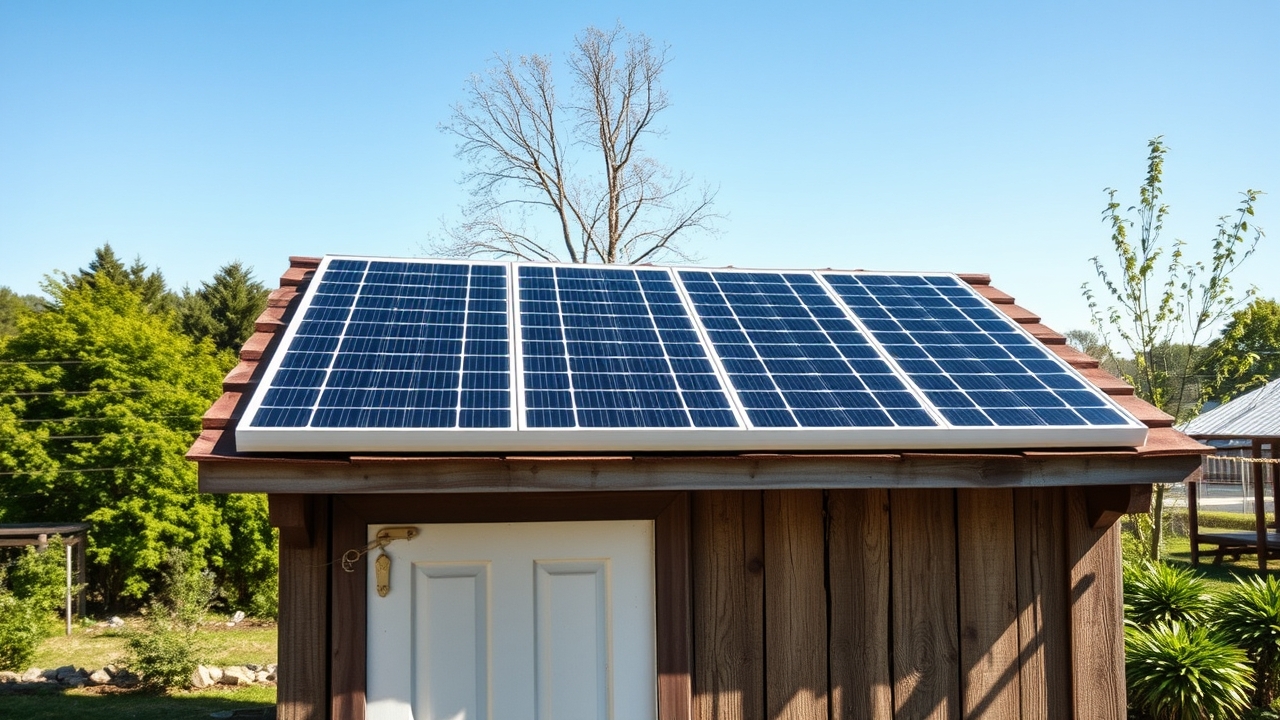
TL;DR — Is DIY Home Energy worth it?
DIY Home Energy is a video course (not a kit) that walks beginners through home-solar and small energy-system concepts. At $49 with a low reported refund rate and a ClickBank-backed 60-day guarantee, it’s a low-risk way to learn the concepts before you spend real money on hardware. The honest catches: there’s a heavy upsell funnel after checkout, and the savings claims are optimistic — your actual results depend entirely on your setup, climate, and local rules. Treat it as an educational first step, not a blueprint that replaces a professional install or guarantees a specific bill cut.
Buy it if
you're a curious beginner who wants to understand DIY/small solar before spending hundreds on panels and batteries
Skip it if
you expect a guaranteed bill-slashing system, or you're ready for a real install (talk to a solar pro instead)
Try instead
Just want the basics? Free YouTube channels and your utility's solar guides cover a lot before you pay for any course
What DIY Home Energy actually is
It’s a digital video course plus supporting guides — roughly several hours of instruction on building small-scale solar and home energy setups, aimed at people with little or no prior experience. The goal is understanding: how the pieces fit (panels, batteries, charge controllers, inverters), what a small DIY system can realistically do, and how to approach a starter build.
Crucially, it is not a kit and not a professional design service. You’re buying knowledge and a framework, then sourcing hardware and doing the work yourself (or deciding it’s a job for a pro). For a homesteader who wants energy literacy before committing money, that education has real value.
$49
One-time price for the video course — knowledge, not hardware or a kit
Where it oversells (the honest part)
Here’s what the sales page glosses over and you should walk in knowing:
- Heavy upsell funnel. After the $49 purchase, expect a stack of additional offers. Most buyers take at least one. You can decline and keep the core course.
- Optimistic savings claims. “Slash your bill” framing assumes ideal conditions. Real savings depend on your sun exposure, how much you build, your energy use, and local regulations/permits — which the marketing tends to wave away.
- DIY has real limits (and rules). Grid-tied solar usually involves permits, inspections, and utility interconnection — you can’t always just wire panels in. Off-grid/portable setups are more DIY-friendly but smaller in impact. The course teaches concepts; your local rules govern what you can actually do.
On the plus side, the refund rate is reportedly low and it’s ClickBank-backed (60-day money-back), so the downside risk of trying it is genuinely small.
What works
- Beginner-friendly intro to home solar and small energy systems
- Low $49 price + reportedly low refund rate + 60-day ClickBank guarantee
- Good for building energy literacy before spending on hardware
- Useful for off-grid / homestead curiosity and portable-power basics
What doesn't
- Pushy upsell funnel after checkout
- Savings claims are optimistic — real results vary a lot
- It is a course, not a kit or a professional design
- Real grid-tied solar involves permits/inspections the marketing downplays
Who it’s actually for
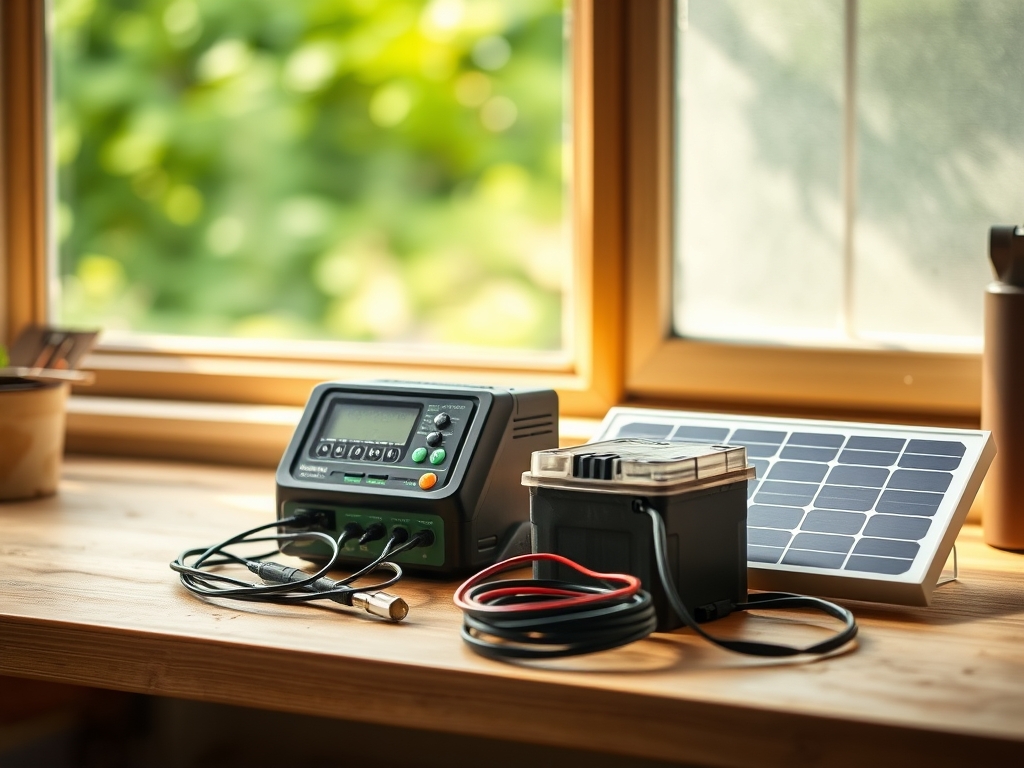
DIY Home Energy fits a curious beginner who wants to understand small solar and energy independence before sinking money into panels and batteries — exactly the kind of person exploring homesteading and off-grid living. For $49, getting the vocabulary and a mental model before you shop for hardware can save you costly mistakes.
It’s a poor fit if you’re expecting a guaranteed bill-cutting system, or if you’re already ready to install — at that point you want a real solar designer/installer and your utility’s interconnection process, not an intro course.
A smart way to use it
If you buy: take the $49 course, decline the upsells on the first pass, and treat it as energy education — then validate anything specific against your local utility, permit rules, and a reputable solar calculator before spending on equipment. The 60-day ClickBank refund is there if it’s not for you.
Check the current DIY Home Energy offer →Energy is one piece of a self-sufficient setup; water is another. If off-grid systems are your interest, see our honest guide to off-grid water systems for homesteads, and if you’re building the whole picture, our self-sufficient vegetable garden guide ties the food side together.
FAQ
Is DIY Home Energy a scam?
No, but the marketing oversells. It’s a real video course teaching home-solar and small energy-system basics, delivered after a $49 ClickBank purchase with a 60-day refund and a reportedly low refund rate. The overselling is in the savings claims and the upsell funnel — not in the product failing to deliver lessons. Treat it as a beginner education product, not a guaranteed money-saving system.
Will it actually lower my electric bill?
It can help you understand how to, but it doesn’t guarantee a specific saving. Real bill reduction depends on how much you build, your sun exposure, your energy use, equipment quality, and local rules — none of which a course controls. The “slash your bill” framing is optimistic marketing. Use the course to learn the concepts, then model your real numbers with a solar calculator and your utility’s rates before expecting savings.
Is it a kit or just a course?
Just a course — video lessons plus supporting guides. You don’t receive any hardware. After learning the concepts, you’d source panels, batteries, and other components yourself (or hire a professional). Go in understanding you’re buying knowledge and a framework, not a boxed system.
Can I really build my own solar power system?
For small off-grid or portable setups, yes — many people build those DIY, and a course like this helps you understand how. For a full grid-tied home system, it’s more complicated: most areas require permits, inspections, and utility interconnection, and wiring into your home’s power is regulated for safety. The course teaches concepts; what you can legally and safely build yourself depends on your local rules, so check those before you start.
Should I buy this or just watch free videos?
If you’re disciplined, free YouTube channels and your utility’s solar resources cover a lot of the basics at no cost. DIY Home Energy makes sense if you’d rather follow one structured beginner course than piece it together — and at $49 with a 60-day refund, the cost of trying is low. Either way, treat it as the learning step before you spend real money on hardware.
Glivox publishes independent, buyer-first reviews for homesteaders and backyard growers. We tell you what actually works — including when a popular product is overhyped.
Keep reading
reviews
Backyard Miracle Farm Review: Is the $39 Food System Worth It? (2026)
Backyard Miracle Farm review: what the $39.69 guide really includes, who it suits, where it oversells, and 3 free alternatives to weigh first.
guides
How to Start a Self-Sufficient Vegetable Garden (2026 Beginner's Guide)
A step-by-step guide to starting a backyard vegetable garden that actually feeds you — site, soil, what to plant first, and mistakes to avoid.
guides
Off-Grid Water Systems for Homesteads: A Realistic 2026 Guide
Rainwater, wells, springs, and air-to-water: the real off-grid homestead water options for 2026 — what each costs, delivers, and where they oversell.