reviews
Backyard Miracle Farm Review: Is the $39 Food System Worth It? (2026)
Backyard Miracle Farm review: what the $39.69 guide really includes, who it suits, where it oversells, and 3 free alternatives to weigh first.
Honest disclosure: Some links below are affiliate links — Glivox earns a commission if you purchase, at no extra cost to you. We pay full price for products we review and rankings are never paid. Read the full policy.
If you’ve searched “grow your own food” lately, you’ve probably hit the Backyard Miracle Farm sales page — the one promising an “endless food supply” from a closed-loop system in your backyard. The pitch is loud, the countdown timer is ticking, and the claims are big. So the fair question is: behind the marketing, is the actual $39.69 guide worth buying, or is it just another over-hyped digital download?
This review separates the product from the pitch. Disclosure: Glivox earns a commission if you buy Backyard Miracle Farm through our link. That changes nothing about the verdict below — we flag exactly where the sales page oversells, because telling you the truth is the only thing that keeps this site worth reading.
The 30-second verdict
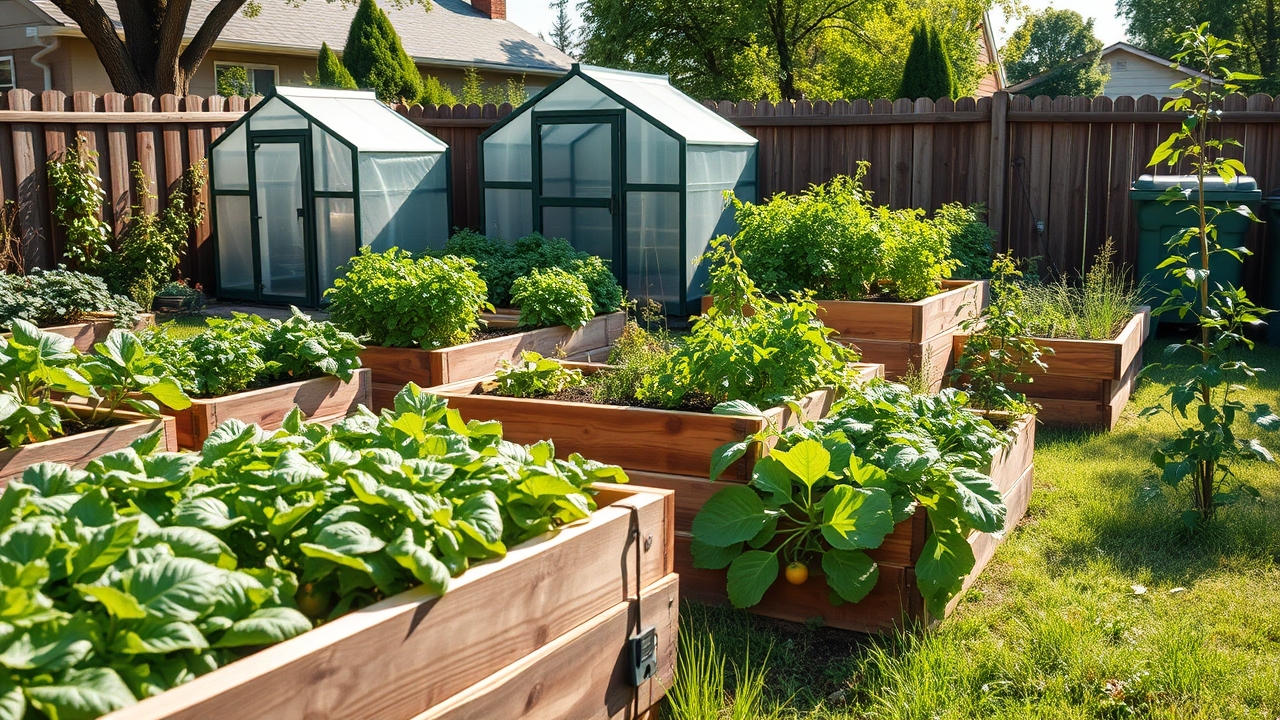
Backyard Miracle Farm is a digital guide (not a physical kit) that walks beginners through building a closed-loop backyard food setup — raised beds, a small greenhouse, and a fish-and-plant component. At $39.69 with a ClickBank-backed 60-day refund window, the downside risk is low. The catch: the sales page massively oversells it as “unlimited free food that works anywhere,” when in reality your results depend entirely on your climate, space, and how much work you put in. Read past the hype and it’s a reasonable beginner primer. Believe the hype and you’ll feel misled.
Buy it if
you're a first-time grower who wants one organized starter plan in a single place, you've got a sunny patch of yard, and you value a low-risk 60-day-refund purchase over piecing together scattered free videos
Skip it if
you already grow food, you expect a literal 'unlimited food' machine, or you have the patience to assemble the same beginner knowledge free from YouTube and gardening blogs
Try instead
Start with our free guide on how to start a self-sufficient vegetable garden — if you still want a single packaged plan afterward, then consider buying
First: you’re buying a PDF course, not a farm
Let’s be precise, because the sales page isn’t. Backyard Miracle Farm is a digital information product — a guide you download after purchase. It is not a physical kit, not a subscription service, and not a “done-for-you” installation. You’re buying instructions and a plan, then doing the building and growing yourself.
According to the product’s materials, the core idea is a closed-loop backyard food system: raised garden beds for vegetables, a small greenhouse for season extension, and a fish-and-plant (aquaponics-style) component where fish waste helps feed the plants. The “miracle” framing is marketing, but the underlying concepts — raised-bed growing, greenhouses, and aquaponics — are all real, established techniques that thousands of home gardeners use.
The front-end price is $39.69, one-time. Like most ClickBank products, expect optional upsells after checkout — you can decline them and keep just the core guide. The refund window is the ClickBank default of 60 days (ClickBank, not the vendor, processes the refund), which is the single biggest reason the purchase is low-risk: you have two months to actually read it and decide.
$39.69
One-time front-end price (optional upsells exist — you can say no)
Where the sales page oversells (read this part)
This is the section most affiliate reviews skip, because they’re paid to keep the hype going. We won’t.
The Backyard Miracle Farm sales page leans on claims like “endless food supply” and that it “works anywhere.” Both deserve a reality check:
- “Endless / unlimited food” — No backyard system produces unlimited food. Output is capped by your space, sunlight, season length, and effort. A small backyard setup can meaningfully offset your grocery bill, especially on high-value crops like greens, tomatoes, and herbs — but “supplement,” not “replace,” is the honest framing for most households.
- “Works anywhere” — Climate matters enormously. A plan that thrives in a mild climate behaves very differently in a short-season cold region or an extreme-heat one. The greenhouse component helps extend seasons, but no guide overrides your local weather.
- Urgency theater — Countdown timers and “only X copies left” on a digital product that can be copied infinitely are pure pressure tactics. Ignore them. The price and offer are not actually disappearing.
None of this makes the underlying guide worthless — it makes the marketing untrustworthy. Judge the product on whether the instructions help you start growing, not on the fantasy the funnel sells.
What you actually get for $39.69
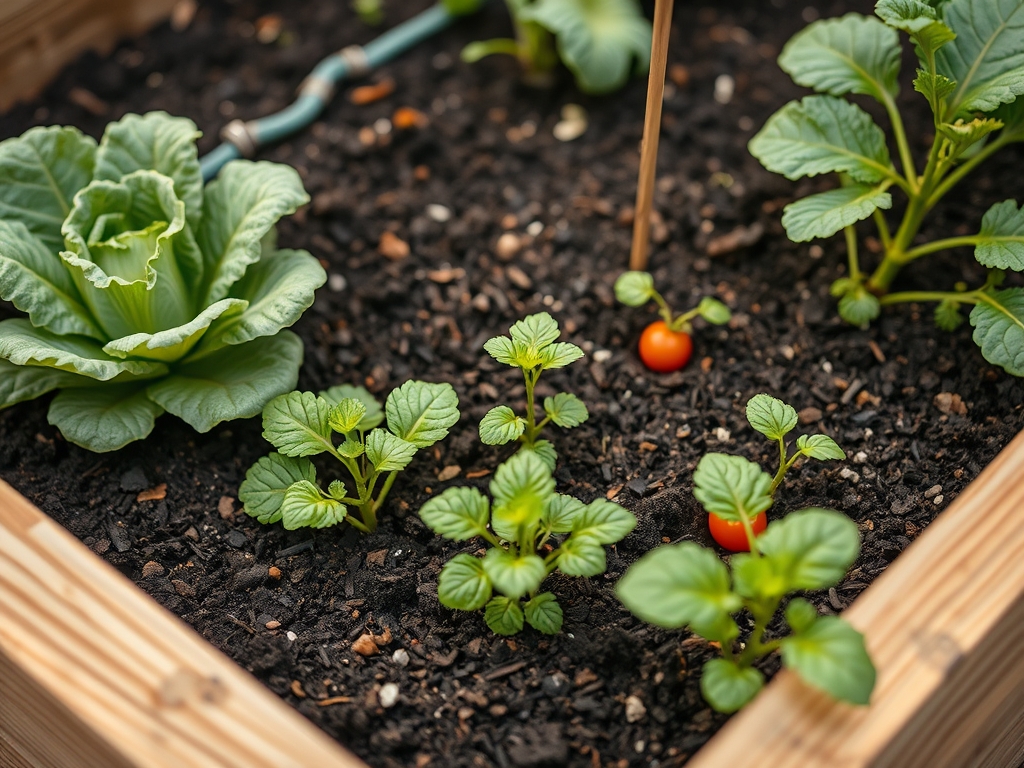
Based on the product’s own description, the guide covers planning and building the three core components (raised beds, greenhouse, fish-and-plant loop) plus supporting material on layout and getting started. For a true beginner, the value isn’t secret knowledge — most of this exists free somewhere online. The value is consolidation: one organized, sequenced plan instead of forty open browser tabs and conflicting YouTube advice.
That’s a real benefit for some people and a waste of money for others, which is exactly why the “who it’s for” question matters more than the “is it good” question.
What works
- Low-risk price ($39.69) with a ClickBank-backed 60-day refund window
- Beginner-friendly: one organized plan instead of scattered free sources
- Built on legitimate techniques (raised beds, greenhouse, aquaponics)
- Digital delivery — you can start reading immediately
What doesn't
- Sales page badly oversells ("endless food", "works anywhere")
- Digital guide only — no physical kit, you do all the building
- Results depend heavily on your climate, space, and effort
- Optional upsell funnel after checkout
- Much of the core info can be found free with enough searching
The buyer this makes sense for (and the one it doesn’t)
Backyard Miracle Farm makes sense for a specific person: a first-time grower who wants a single, organized starting point and is happy to pay ~$40 to skip the research-assembly phase. If you’re the type who’d rather follow one plan than curate free content yourself — and you like that a 60-day refund means you can read it risk-free — it’s a defensible buy.
It does not make sense if you already garden, if you’re expecting a magic appliance that prints food, or if you genuinely enjoy researching and would happily build the same knowledge for free. There’s no shame in either path; just buy (or skip) for the right reason.
A smarter sequence before you buy
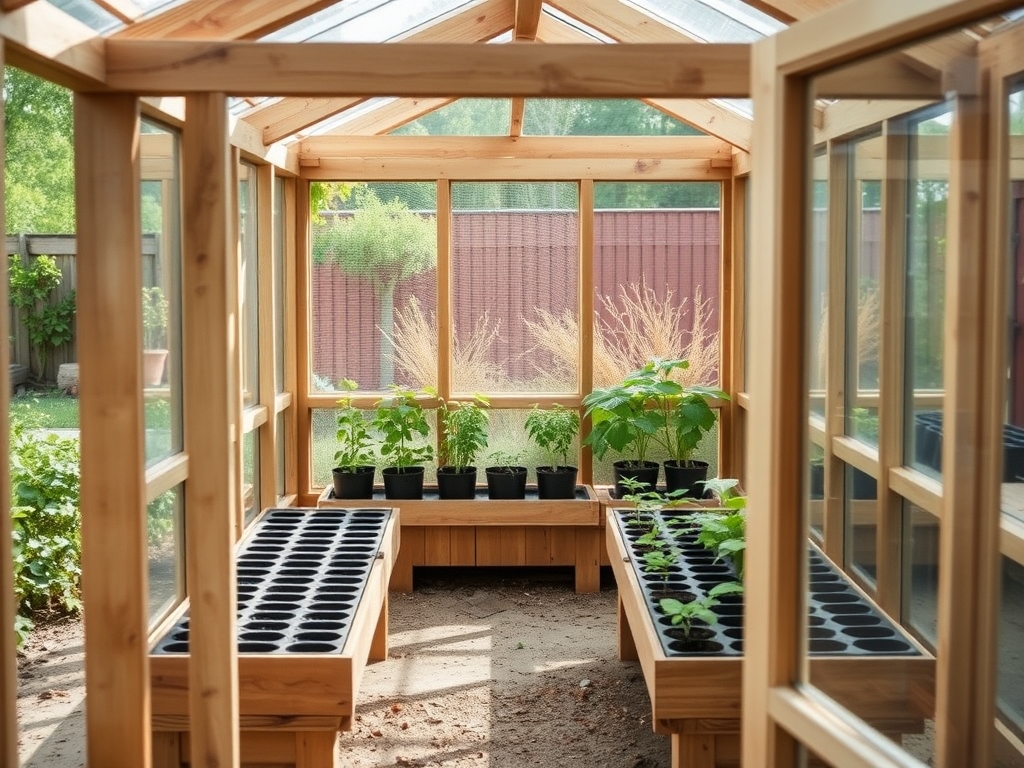
Here’s the approach we’d actually recommend to a friend: read the free fundamentals first, then decide. If you understand sunlight, soil, and crop choice before you spend anything, you’ll get far more out of any paid guide — and you might find you don’t need one at all.
Start with our free walkthrough on how to start a self-sufficient vegetable garden. It covers the same foundations (site, soil, water, what to plant first) at no cost. If, after that, you still want one packaged plan that bundles raised beds + greenhouse + aquaponics into a single sequence, then Backyard Miracle Farm is a low-risk next step. And if the sticking point is money, we’ve done the full buy-vs-DIY cost math — the plan turns out to be the cheapest line item either way.
Check the current Backyard Miracle Farm offer →FAQ
Is Backyard Miracle Farm a scam?
No — but its marketing is misleading. It’s a real digital guide that delivers what it technically promises (a downloadable plan for a backyard food system), built on legitimate gardening techniques. The “scam” feeling people report comes from the sales page’s exaggerated claims (“endless food supply,” “works anywhere”), not from the product failing to deliver a guide. It’s backed by ClickBank’s standard 60-day refund, so if it doesn’t meet your expectations you can get your money back.
Is it a physical product or a digital download?
It’s a digital download — a guide you access after purchase, not a physical kit shipped to your door. You provide all the materials and do the building yourself. Anyone expecting a boxed kit will be disappointed, so go in knowing you’re buying instructions.
How much does it cost and can I get a refund?
The front-end price is $39.69 one-time, with optional upsells after checkout that you can decline. It carries the ClickBank default 60-day money-back window (ClickBank processes the refund, not the vendor), which makes it a genuinely low-risk purchase — you have two months to read it and decide.
Can it really replace my grocery bill?
Realistically, no — not replace, but it can offset it. A well-run small backyard system can meaningfully cut spending on high-value crops like leafy greens, herbs, and tomatoes. But “endless” or “unlimited” food from a backyard is marketing, not reality: your output is limited by space, climate, season, and effort.
Should I buy this or just learn for free?
If you’re disciplined enough to research and assemble a plan from free YouTube videos and gardening sites, you can absolutely get this knowledge for free. The guide’s value is convenience — one organized plan instead of scattered sources. We’d suggest reading our free vegetable garden starter guide first, then buying only if you still want everything bundled in one sequence.
We paid attention so your $39.69 doesn’t have to learn the hard way — that’s the whole job of this review desk.
Keep reading
guides
How to Grow a Year's Worth of Food in a Small Backyard (2026)
A realistic plan for growing serious amounts of food in a small backyard — space-efficient layouts, the highest-yield crops per square foot, and how to stretch the harvest across all four seasons.
guides
How to Start a Self-Sufficient Vegetable Garden (2026 Beginner's Guide)
A step-by-step guide to starting a backyard vegetable garden that actually feeds you — site, soil, what to plant first, and mistakes to avoid.
reviews
Ted's Woodworking Review: Are 16,000 Plans Worth $67 in 2026?
An honest look at Ted's Woodworking — what the 16,000-plan library actually contains, the real complaints about quality and refunds, and whether it's worth $67 for homestead DIY builds.