guides
Compost Troubleshooting: Why Your Pile Smells, Stalls, or Crawls (and Every Fix)
Smelly pile? Nothing breaking down? Rats, flies, ants? Every common compost problem diagnosed with its cause and the fix that works — no composting guilt included.
Honest disclosure: Some links below are affiliate links — Glivox earns a commission if you purchase, at no extra cost to you. We pay full price for products we review and rankings are never paid. Read the full policy.
Everyone who composts long enough meets the pile that goes wrong: the one that smells like a swamp, or sits there refusing to rot for a year, or suddenly hosts a rodent housewarming. Our composting starter guide covers the happy path — this is the repair manual for when the pile goes sideways.
The comforting truth up front: compost problems are almost never fatal, and nearly all of them trace to four dials — air, water, browns-to-greens balance, and particle size. Diagnose by symptom below, turn the right dial, and the pile forgives you within weeks.
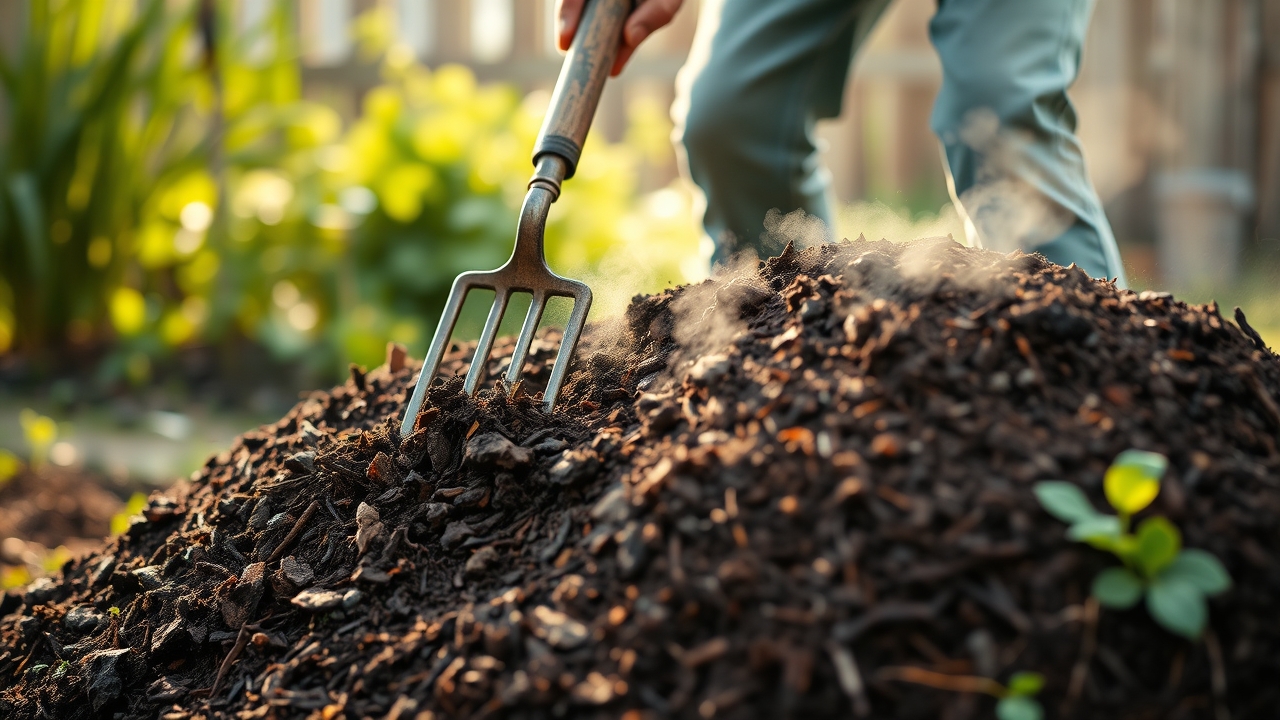
TL;DR — the whole repair manual in one paragraph
Rotten-egg smell = no air (too wet/compacted) → add coarse browns, turn it. Ammonia smell = too many greens → bury in browns. Nothing happening = too dry, too brown, or pieces too big → water, add greens, chop smaller. Rats/raccoons = exposed food scraps (especially the meat/dairy/oil you shouldn’t add) → bury scraps deep, use a rodent-resistant bin. Flies and gnats = fruit on the surface → bury under a browns cap. Ants = pile too dry → moisten. Bugs in general = mostly your decomposition workforce; leave them alone. When in doubt: add browns, add air, keep it wrung-out-sponge damp.
Buy it if
your pile smells, stalls, or attracts guests — every one of these is a 10-minute fix, not a failure
Skip it if
tossing the whole pile in frustration — even the worst swamp pile becomes compost once air and browns arrive
Try instead
Chronically wet climate or tight space? A sealed tumbler or a worm bin dodges most of these problems by design
Problem 1: It smells like rotten eggs / a swamp
Diagnosis: anaerobic pile — the oxygen-breathing microbes drowned, and their smelly anaerobic cousins took over. Cause: too wet, too compacted, or both (classic after heavy rain or a big load of wet grass clippings).
The fix: air, immediately. Fork the pile over, breaking every mat and clump; mix in coarse browns (dry leaves, shredded cardboard, wood chips, straw) to open air channels and drink the excess moisture; if it’s soaked, cover with a tarp against further rain. The stink fades within days once oxygen returns — anaerobic microbes die fast in air.
Prevention: never add a thick layer of any one wet thing (grass clippings are the usual felon — mix them with browns as they go in), and turn the pile every week or two.
Problem 2: It smells like ammonia
Diagnosis: nitrogen overload — too many greens (food scraps, fresh grass, manure) for the carbon on hand. The pile is literally off-gassing your fertilizer.
The fix: browns, browns, browns. Fork in dry leaves, cardboard, paper, straw until the smell dies — usually 2–3 parts browns to the excess greens. It’s the same 2-3:1 ratio from the starter guide; ammonia is just the pile telling you the ratio drifted.
4 dials
Air · water · browns-to-greens · particle size — every compost problem is one of these four turned wrong
Problem 3: Nothing is happening
The pile just… sits there. Three causes, easy to tell apart by touch:
- Bone dry (most common in summer): microbes can’t work without moisture. Water it in layers as you turn until it feels like a wrung-out sponge; a tarp on top slows re-drying. Dry piles are the default failure in hot Augusts.
- All browns, no fuel: a pile of pure leaves/cardboard decomposes glacially. Kickstart with greens — food scraps, fresh grass, coffee grounds (cafés give them away), or a shovel of finished compost as a microbe starter.
- Pieces too big: whole cabbage heads, intact branches, and flat sheets of cardboard take forever. Chop, smash, shred — surface area is speed. A pile of chopped material can finish months before an identical un-chopped one.
And one non-problem: cold weather. Piles nearly stop in winter and restart in spring — that’s hibernation, not death. (Want composting that doesn’t hibernate? An indoor worm bin runs kitchen scraps straight through winter.)
Problem 4: Rats, mice, raccoons
Diagnosis: accessible food. Rodents come for exposed scraps — and stay for the meat, dairy, oily leftovers and cooked food that shouldn’t be in an open pile at all.
The fix: audit what’s going in (the never-compost list exists mostly for this reason), then bury all food scraps 20–30 cm deep under browns instead of leaving them on top — a pile whose surface is always leaves and cardboard is boring to rats. For persistent visitors: hardware-cloth (metal mesh) under and around the bin, or switch food scraps to a sealed tumbler or worm bin and let the open pile handle only yard waste. A well-managed hot pile also simply processes food too fast to be a pantry.
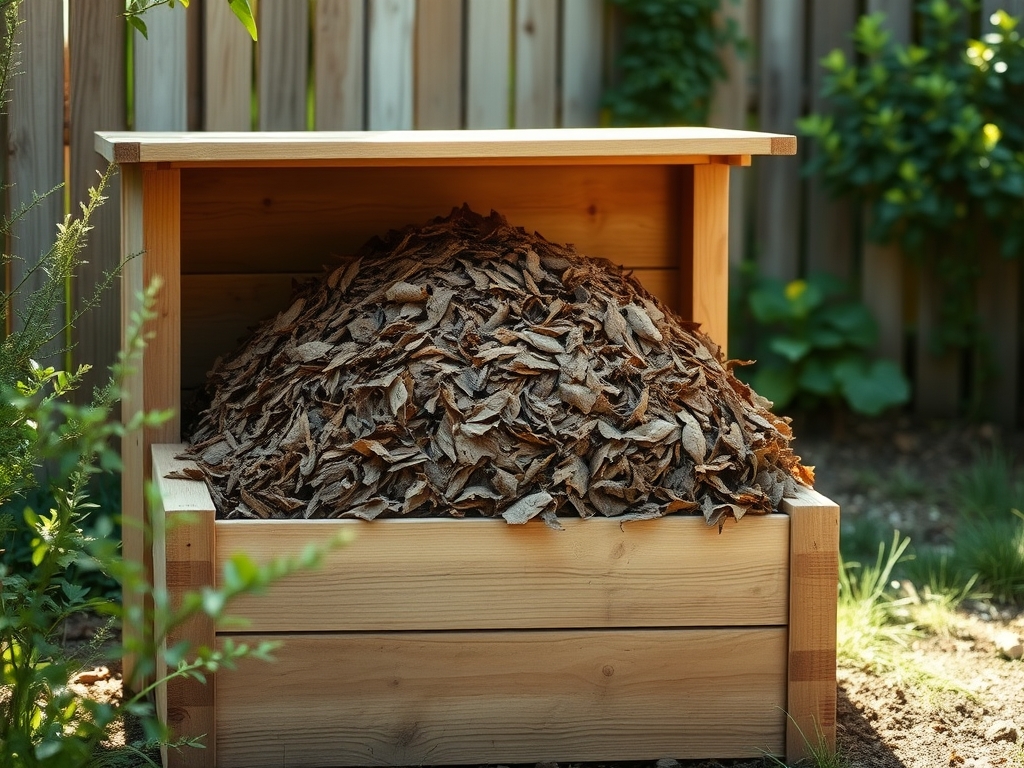
Problem 5: Flies, gnats, ants, and “bugs everywhere”
- Fruit flies/gnats swarm exposed fruit and vegetable scraps. Fix in one habit: every food deposit gets a browns cap — a handful of leaves or shredded paper over the top. No exposed buffet, no cloud of flies.
- Ants move in when a pile is too dry (see Problem 3) — moisten and turn, and they relocate.
- Everything else — pill bugs, beetles, springtails, worms, centipedes — is your decomposition workforce, not an infestation. A pile full of arthropods is a pile that’s working. The only residents worth evicting are the rodents above.
Problem 6: It’s done but full of sticks (or it’s slimy sludge)
- Twigs and avocado pits in “finished” compost: normal — woody bits run on a slower clock. Screen the finished stuff through a simple mesh frame (or improvised milk-crate sieve) and toss the overs back into the next pile as inoculated starter.
- Slimy, matted layers: un-mixed grass or leaves that glued into anaerobic sheets. Break the mats, mix with coarse browns, resume turning. (Big leaf hauls do better composted separately as leaf mold, or shredded first.)
- Weed seeds surviving: cold piles don’t kill seeds — either hot-compost (the whole pile built at once, turned often) or don’t compost seeding weeds.
Quick wins vs. compost mistakes
What works
- Keep a browns stash (bagged fall leaves, cardboard) next to the bin — the fix for half these problems
- Cap every food deposit with browns — ends flies AND rodents in one habit
- Chop everything — particle size is the most underrated speed dial
- Squeeze test monthly: wrung-out-sponge damp is the target
What doesn't
- Meat, dairy, oils in an open pile (the rodent invitation)
- Thick single-material layers (grass mats = instant anaerobic slime)
- Watering never (summer piles quietly desiccate and stall)
- Declaring failure in winter — cold piles are asleep, not dead
FAQ
Why does my compost smell bad?
Two smells, two diagnoses. Rotten-egg/swampy = the pile went anaerobic from too much water or compaction — turn it thoroughly and mix in coarse browns (leaves, cardboard, straw) to restore airflow. Sharp ammonia = too many greens (food scraps, grass, manure) — bury the excess in 2–3 parts browns. A healthy pile smells earthy; either bad smell fades within days once the underlying dial is corrected.
Why is my compost pile not breaking down?
Check three things by touch. If it’s dry, water it in layers until it feels like a wrung-out sponge (the top failure in hot summers). If it’s all browns — pure leaves or cardboard — add greens like food scraps, fresh grass or coffee grounds for nitrogen fuel. If pieces are big (whole vegetables, branches, intact cardboard), chop and shred; decomposition speed tracks surface area. Cold winter piles pausing is normal — they restart in spring.
How do I keep rats out of my compost?
Remove the attraction and the access. Never add meat, dairy, oily or cooked foods to an open pile; bury fruit and vegetable scraps 20–30 cm deep under browns so the surface is always boring leaves and cardboard. If visitors persist, line the bin’s base and sides with metal hardware cloth, or move food scraps to a sealed tumbler or worm bin and let the open pile take only yard waste. Fast, hot piles also digest food too quickly to feed anyone.
Are maggots and bugs in compost bad?
Almost never. Pill bugs, beetles, springtails, worms and centipedes are the decomposition workforce — their presence means the pile is alive and working. Even the large larvae that alarm people (often black soldier fly larvae, common in food-scrap piles) are efficient, harmless composters. The only residents worth acting on are rodents. If fruit-fly clouds bother you, cap food deposits with a layer of browns.
Can I fix a compost pile that got soaked by rain?
Yes, and quickly. Fork the pile over to break compacted, matted layers, mix in generous coarse browns to absorb the excess water and re-open air channels, and cover with a tarp or lid until the weather passes. The sour smell of a waterlogged pile disappears within days of oxygen returning. In chronically wet climates, a covered bin or tumbler and a browns-heavy recipe prevent the cycle entirely.
Glivox publishes practical, honest guides for homesteaders and backyard growers — compost forgives everything except being ignored.
Keep reading
guides
How to Start a Self-Sufficient Vegetable Garden (2026 Beginner's Guide)
A step-by-step guide to starting a backyard vegetable garden that actually feeds you — site, soil, what to plant first, and mistakes to avoid.
guides
How to Start Composting at Home (2026 Beginner's Guide)
Turn kitchen scraps and yard waste into free, rich soil. A beginner's guide to composting at home — what to compost, the simple browns-to-greens method, and how to fix a smelly or slow pile.
guides
Cover Crops for Beginners: Feed Your Soil While You Take the Winter Off
What cover crops actually do, the 5 easiest for a home garden, when to sow them after harvest, and the spring question everyone worries about — killing them off.