comparisons
Water Freedom System vs. Air Fountain: An Honest Comparison of Water-From-Air Guides
Two ClickBank guides promise DIY water from thin air. What atmospheric water generation really delivers, how the two compare, and who should buy neither.
Honest disclosure: Some links below are affiliate links — Glivox earns a commission if you purchase, at no extra cost to you. We pay full price for products we review and rankings are never paid. Read the full policy.
Two of ClickBank’s best-known prep products make the same startling promise: build a device that pulls drinking water out of the air. The Water Freedom System ($39.69) and the Air Fountain ($39) are near-twins — same concept, same price bracket, same dramatic sales pages about drought-proof “unlimited water.”
This comparison is based on the sales pages, ClickBank listings, and documented user reports — not our own bench builds. Disclosure: Glivox earns a commission on either product bought through our links. That changes nothing below — including the section on why many readers should buy neither.
TL;DR — the honest verdict up front
The underlying science is real: atmospheric water generation is just dehumidifier physics — cool humid air below its dew point and water condenses. Commercial machines doing this exist and work. The honest catch for both products: a cheap DIY build produces modest output — realistically a few liters per day in humid conditions, far less in dry air (exactly when you’d want it most) — and both sales pages oversell that output wildly. As emergency-prep concept guides for a curious tinkerer in a humid climate, either can justify ~$40. As a plan for household water security, neither beats the boring answer: stored water first (see our off-grid water guide). Between the two, they’re more alike than different — pick by price and bonuses, not by promises.
Buy it if
you're a hands-on prepper in a HUMID region who wants a water-from-air concept build as one layer of a backup plan — and you enjoy the project itself
Skip it if
you live somewhere dry, expect 'unlimited water for pennies,' or want a primary water source — physics will disappoint you on all three
Try instead
For actual emergency water security: stored water (the FEMA-recommended baseline), rain catchment where legal, and filtration — all covered in our off-grid water guide
The science both products stand on (and stretch)
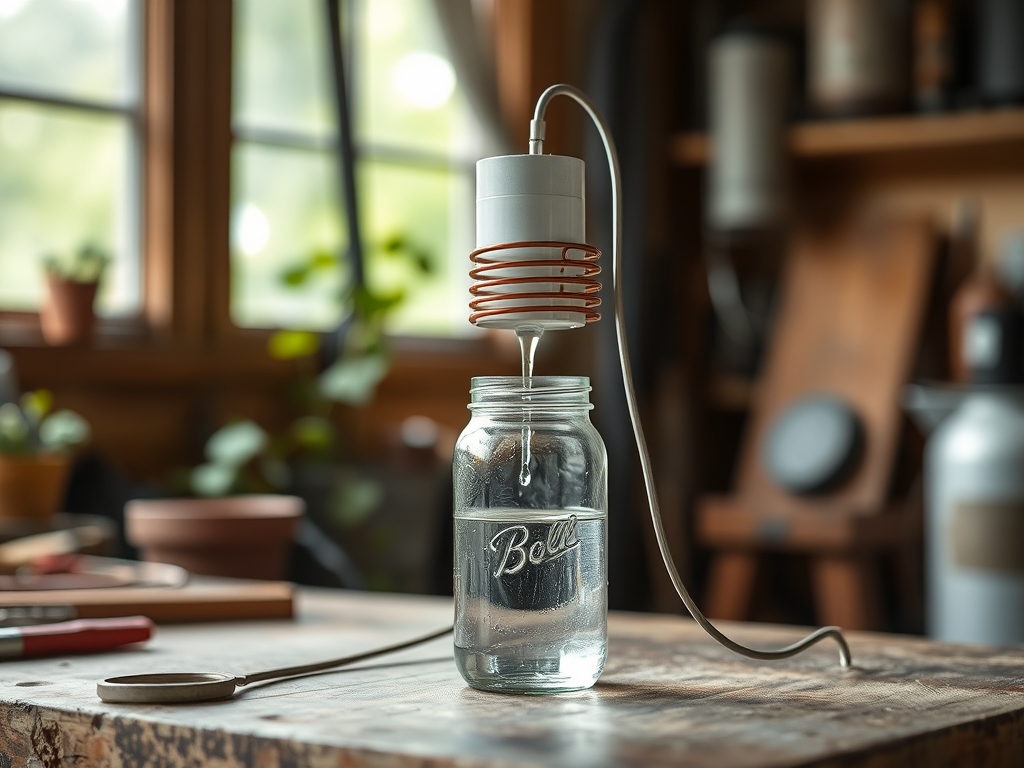
An atmospheric water generator (AWG) is a dehumidifier with a cleaner condensate path: a cooled surface drops air below its dew point, condensation forms, gets collected and filtered. That’s real, commercial units exist, and a DIY version from refrigeration parts genuinely can produce water.
What the sales pages stretch is volume and conditions:
- Output depends brutally on humidity and temperature. At 70–90% humidity a small DIY unit might manage a few liters a day. At desert humidity — the “drought” scenario both pages lean on — output collapses toward drops.
- Energy isn’t free. Condensing water takes real electricity; in an actual grid-down emergency, that power competes with everything else you’re running.
- “Unlimited water for pennies” is marketing, not thermodynamics.
Liters, not gallons
Realistic daily output for a small DIY unit in humid conditions — plan around that number, not the sales page
Head to head
Two near-identical water-from-air guide products, honestly scored
| Product | Price | Rating | Best for | Verdict |
|---|---|---|---|---|
| Water Freedom System | $39.69 one-time | 2.5/5 | Slightly deeper guide package; the better-known of the two | The marginally more complete package if you want this build. |
| Air Fountain | $39 one-time | 2.5/5 | Essentially the same concept, fractionally cheaper | Interchangeable with Water Freedom for most buyers. |
The honest truth of this comparison: these products differ less than their sales pages differ from reality. We couldn’t find a substantive reason to strongly prefer one — the Water Freedom System’s package is a bit broader; the Air Fountain costs slightly less. Flip a coin, or keep the coin and read on.
What you’re actually buying (either way)
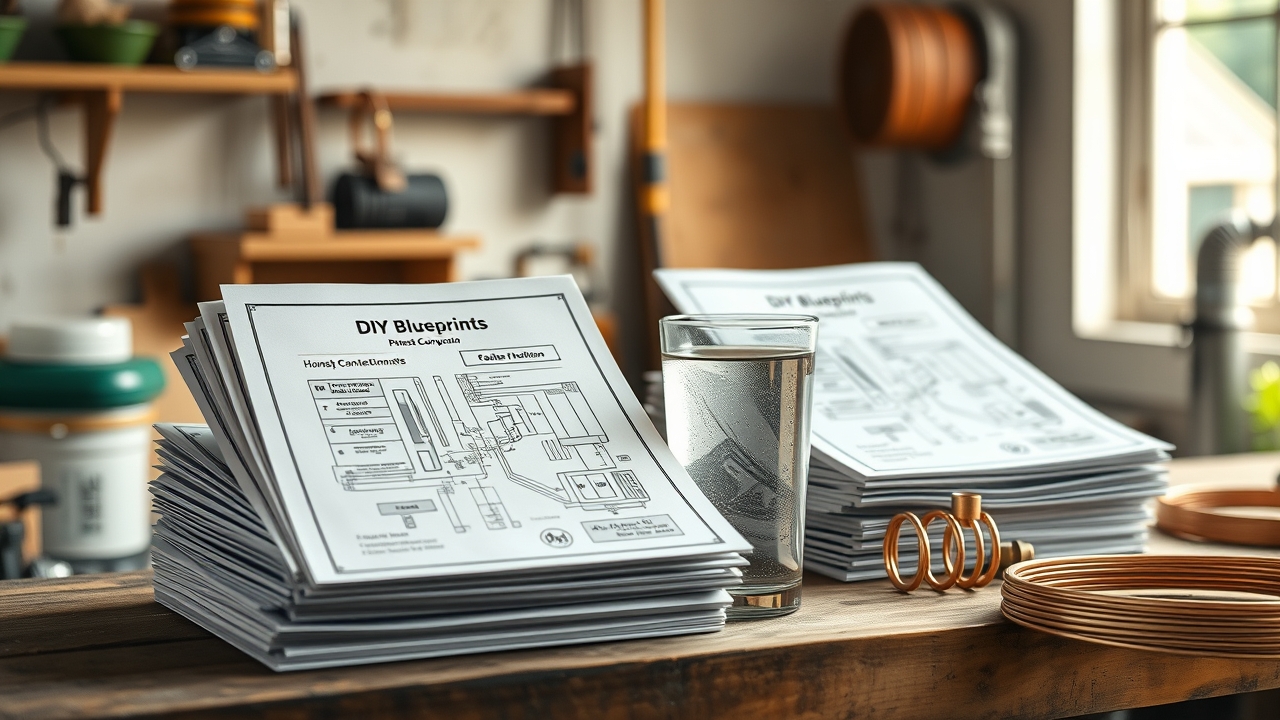
- Digital plans (PDF-style) for building a small condensation-based water device from commonly available parts — compressor/refrigeration components, coils, collection vessel, basic filtration.
- Supporting survival-water material (storage, purification basics) — genuinely useful content, though similar information exists free from emergency-management agencies.
- A ClickBank checkout with upsells to click past, and the standard 60-day refund window — which we’d frankly encourage using if the guide disappoints you.
- Not included: parts (realistically $100–300+ if you build seriously), a finished machine, or the humid climate the math depends on.
The uncomfortable ranking: where AWG sits in real water prep
For actual household water resilience, the boring hierarchy beats the exciting gadget every time:
- Stored water — $0 hardware (reused food-safe containers), instant availability. The universal first move.
- Rain catchment — vastly higher volume per dollar anywhere with rainfall (check local rules).
- Filtration (gravity filters, purification tablets) — turns questionable water into safe water.
- AWG builds — a fourth-layer novelty with real but modest output, best in humid climates with power available.
If you’ve done 1–3 and want a project, an AWG guide is defensible fun. If you haven’t, $40 toward storage containers and a filter buys far more actual security. That ordering is the whole honest story, and it’s the same one our off-grid water systems guide walks in depth.
Quick wins vs. money-wasters
What works
- Do the free prep first: stored water + a gravity filter beat any gadget
- If you buy either guide, treat it as a tinkering project, not a water plan
- Humid climate + spare refrigeration parts = the only good fit profile
- Use the 60-day ClickBank refund honestly if the guide underdelivers
What doesn't
- Buying either as your PRIMARY emergency water answer
- Expecting meaningful output in dry/drought conditions (the physics says no)
- Forgetting the build needs parts and power the price tag does not include
- Buying both — they are the same concept twice
FAQ
Does water from air technology actually work?
Yes — atmospheric water generation is established dehumidifier physics, and commercial AWG machines produce real drinking water. The honest caveats for DIY versions: output is modest (liters per day, not gallons), it drops sharply as humidity falls — meaning the drought scenarios in the ads are exactly where it performs worst — and condensing water consumes real electricity. The concept works; the “unlimited water” framing doesn’t.
Which is better, Water Freedom System or Air Fountain?
They’re near-interchangeable: the same water-from-air concept, similar ~$39 price, similar overselling, and the same ClickBank 60-day refund. The Water Freedom System package reads slightly more complete; the Air Fountain is marginally cheaper. We scored both 2.5/5 for the same reason — real concept, oversold performance. If one of the two fits your project curiosity, choose on price; there’s no meaningful performance difference documented between the guides.
How much water can a DIY atmospheric generator make per day?
Depends almost entirely on humidity and temperature. In warm, very humid conditions (70%+ humidity), a small DIY build might collect a few liters a day; in dry air, output falls toward negligible. Commercial units with bigger compressors do better but consume significant power. For planning purposes: treat DIY AWG as a supplemental trickle, not a supply — a family’s baseline needs (about 4 liters per person per day for drinking alone) are better met by storage and catchment.
What’s the best way to store emergency water at home?
Start simple: food-grade containers (reused soda bottles work; milk jugs degrade), filled with tap water, stored cool and dark, rotated every 6–12 months. Aim for at least 4 liters per person per day for a minimum of three days — two weeks is far better. Add a gravity filter or purification tablets to make found water safe. This costs almost nothing and outperforms any gadget — build this base before considering water-from-air projects.
Glivox reviews and compares products for homesteaders honestly — including the times the honest answer is “probably neither.” Methodology on the About page.
Keep reading
reviews
DIY Home Energy Review: Is the $49 Solar Course Worth It? (2026)
An honest review of DIY Home Energy — what the $49 video course actually teaches about home solar, where the savings claims oversell, and whether it's a smart first step before you buy panels.
guides
Off-Grid Water Systems for Homesteads: A Realistic 2026 Guide
Rainwater, wells, springs, and air-to-water: the real off-grid homestead water options for 2026 — what each costs, delivers, and where they oversell.
reviews
EZ Battery Reconditioning Review 2026: Legit Skill or Overhyped Course?
An honest look at the $47 EZ Battery Reconditioning course — what battery reconditioning can genuinely do, where the sales page oversells, and who should skip it.