reviews
EZ Battery Reconditioning Review 2026: Legit Skill or Overhyped Course?
An honest look at the $47 EZ Battery Reconditioning course — what battery reconditioning can genuinely do, where the sales page oversells, and who should skip it.
Honest disclosure: Some links below are affiliate links — Glivox earns a commission if you purchase, at no extra cost to you. We pay full price for products we review and rankings are never paid. Read the full policy.
Every homestead and off-grid setup eventually drowns in batteries — car batteries, deep-cycle bank batteries, solar-system bank batteries, tool packs — and replacing them is one of the steady, annoying costs of self-reliant living. EZ Battery Reconditioning is a $47 course promising you can “bring dead batteries back to life” instead. The pitch is everywhere; the honest question is how much of it survives contact with battery chemistry.
This review is based on the sales page, the ClickBank listing, and documented user reports — not on our own bench test. Disclosure: Glivox earns a commission if you buy through our link. That doesn’t change the verdict — including the real limitations below, which the sales page skips.
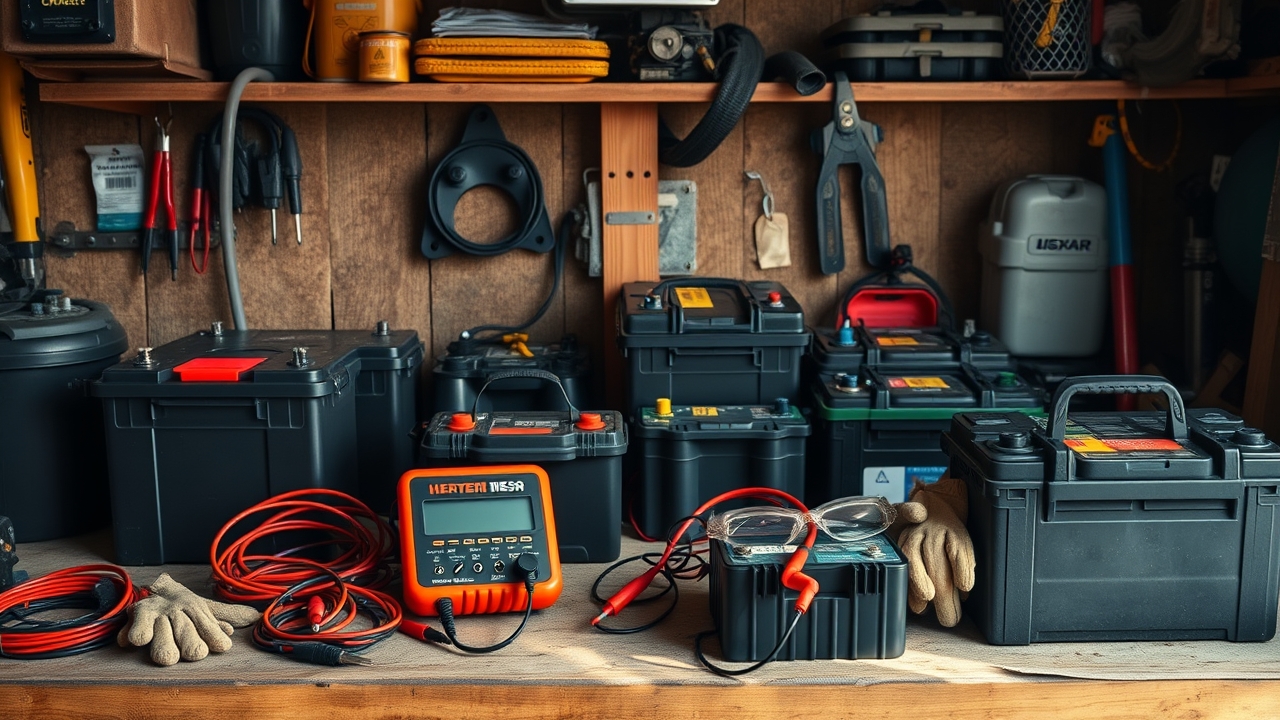
TL;DR — is EZ Battery Reconditioning worth it?
The underlying skill is partly real: some lead-acid batteries (car, deep-cycle, golf-cart) that fail from sulfation genuinely can be revived with desulfation techniques, electrolyte service, and proper charging — the methods the course teaches are established practice among off-grid tinkerers. The honest catch: not every dead battery can come back (worn plates, shorted cells, and most degraded lithium packs are done), results vary widely with battery condition, and the sales page’s near-universal success framing oversells reality. For a hands-on off-gridder maintaining a lead-acid bank, one saved deep-cycle battery can cover the $47. For someone hoping to resurrect an old phone or a swollen drill pack, this isn’t that.
Buy it if
you run lead-acid batteries (car, marine, deep-cycle, golf cart), like hands-on work, and accept that some batteries simply won't revive
Skip it if
you expected to rescue lithium phone/laptop packs, you're uncomfortable around battery acid, or you want a guaranteed outcome
Try instead
Free YouTube covers pieces of this (search 'desulfation'); the course's value is having it organized, chemistry by chemistry, in one place
What you actually get for $47
- A set of step-by-step guides organized by battery type — car (lead-acid), deep-cycle/marine, golf cart, plus sections covering other common chemistries.
- The core methods: testing cells, cleaning terminals and connections, desulfation (the main trick for lead-acid), electrolyte checking/topping, and controlled recharging.
- A section on sourcing “dead” batteries cheaply and flipping reconditioned ones — presented more rosily than the real used-battery market deserves, but the sourcing idea itself is valid.
- Digital access (PDF-style guides); ClickBank checkout with the standard 60-day refund window.
$47
One-time price — roughly half the cost of one new deep-cycle battery
What’s real about battery reconditioning (and what isn’t)
Real: lead-acid batteries commonly die from sulfation — crystal buildup on plates from sitting discharged. Desulfation (pulse charging/controlled overcharge done properly) plus electrolyte service genuinely revives a meaningful share of these, and off-grid folks have done it for decades. If your battery bank is lead-acid, the skill has real, repeatable value.
Not real (or oversold): batteries with worn-out plates, internal shorts, or physical damage are chemistry-dead — no technique revives them. Modern lithium-ion packs are a different world: degraded cells don’t “recondition,” and DIY work on them carries genuine fire risk. And the implied success rate on the sales page is far above what documented user reports describe — think “worth trying on a pile of lead-acid batteries, some will come back,” not “every battery lives again.”
Safety, honestly
This is working with sulfuric acid, hydrogen gas during charging, and stored energy. The techniques are manageable for a careful adult with gloves, eye protection, and ventilation — but it’s real chemistry, not a craft project. If that’s not your comfort zone, that’s a legitimate reason to skip.
The honest pros and cons
What works
- Core lead-acid techniques (desulfation, electrolyte service) are established practice, organized in one place
- One revived deep-cycle battery roughly pays for the course
- Genuinely relevant skill for off-grid battery banks and homestead vehicles
- ClickBank 60-day refund window if it is not what you expected
What doesn't
- Not every battery can be revived — worn plates and shorted cells are permanently dead
- Success framing on the sales page far exceeds documented reality
- Little help for modern lithium devices (and DIY lithium work is a safety risk)
- Upsell funnel at checkout; content overlaps with free scattered YouTube material
Who it fits on a homestead
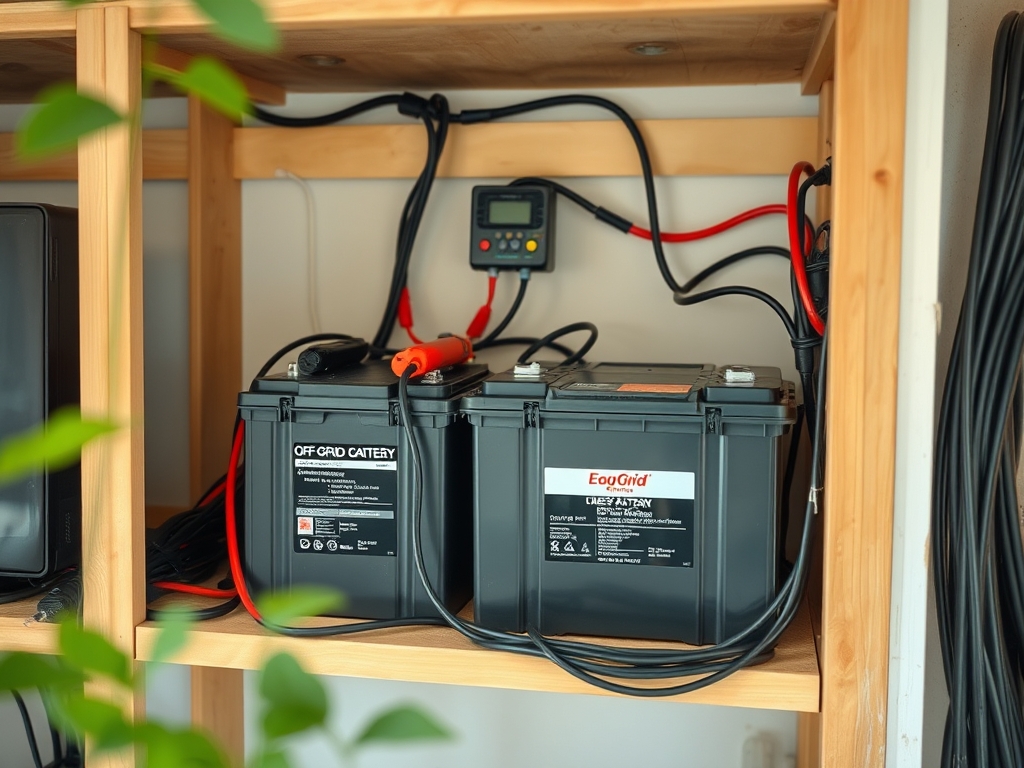
The natural fit is the same person running an off-grid water or DIY energy setup: lead-acid bank owners who’d rather squeeze 2 extra years from a $150 deep-cycle battery than buy new on schedule. Treated as a maintenance skill for that world — with realistic expectations — the $47 is defensible. Treated as a magic wand for any dead battery in the junk drawer, it will disappoint.
Check the current EZ Battery Reconditioning offer →FAQ
Does battery reconditioning actually work?
For lead-acid batteries (car, marine, deep-cycle, golf cart) that failed from sulfation — yes, often enough to matter. Desulfation and electrolyte service are established techniques that off-grid users have applied for decades. It does not work on batteries with worn plates, internal shorts, or physical damage, and degraded lithium-ion packs generally cannot be meaningfully reconditioned at home. Expect “a useful share of a battery pile revives,” not “every battery.”
Is EZ Battery Reconditioning a scam?
The course itself delivers real, organized instructions for legitimate techniques, so it isn’t a scam in the sense of delivering nothing. Where it earns criticism is the marketing: success rates are implied to be near-universal when real-world results vary a lot by battery type and condition, and the checkout has an upsell funnel. Buy it for what it is — an organized manual for lead-acid reconditioning — and use the 60-day ClickBank refund window if it isn’t what you expected.
Can I recondition a phone or laptop battery with this?
Realistically, no. Lithium-ion cells that have degraded chemically don’t respond to the tricks that revive sulfated lead-acid batteries, and opening or experimenting with lithium packs carries genuine fire risk. If your interest is phones, laptops, or swollen tool packs, this course isn’t the answer — replacement cells or new packs are.
Is it safe to recondition batteries at home?
With basic precautions, lead-acid work is manageable: gloves, eye protection, good ventilation (charging produces hydrogen gas), no open flames, and careful handling of electrolyte (sulfuric acid). The course covers precautions, but the responsibility is real — if working around acid and stored energy isn’t something you want in your garage, skip the whole category.
How much money can reconditioning actually save?
A new deep-cycle battery runs roughly $100–200, car batteries $100–250. If you run a lead-acid bank or several vehicles and revive even a few batteries over the years, the savings are real — that’s the honest math that makes $47 defensible for the right person. The course’s suggestion of flipping reconditioned batteries as a side income is far shakier: the used-battery market is thin and trust-dependent. Buy it for savings, not as a business plan.
Glivox reviews products for homesteaders honestly — including the limitations the sales pages skip. Our full methodology is on the About page.
Keep reading
reviews
DIY Home Energy Review: Is the $49 Solar Course Worth It? (2026)
An honest review of DIY Home Energy — what the $49 video course actually teaches about home solar, where the savings claims oversell, and whether it's a smart first step before you buy panels.
guides
Off-Grid Water Systems for Homesteads: A Realistic 2026 Guide
Rainwater, wells, springs, and air-to-water: the real off-grid homestead water options for 2026 — what each costs, delivers, and where they oversell.
reviews
Ted's Woodworking Review: Are 16,000 Plans Worth $67 in 2026?
An honest look at Ted's Woodworking — what the 16,000-plan library actually contains, the real complaints about quality and refunds, and whether it's worth $67 for homestead DIY builds.