guides
Apple Harvest and Storage: The Lift-and-Twist Test, and Months of Crisp Fruit
When an apple is truly ready, which varieties keep until spring, and the storage rules — cold, humid, and quarantined — that stop one bad apple from proving the proverb.
Honest disclosure: Some links below are affiliate links — Glivox earns a commission if you purchase, at no extra cost to you. We pay full price for products we review and rankings are never paid. Read the full policy.
The apple is the only common fruit that genuinely wants to be stored — a hard late-season apple, picked right and kept cold, stays crisp for four or five months with no processing at all. Our great-grandparents overwintered on barrels of them. Yet most backyard apples never see October: picked too early (sour, and they shrivel), picked too late (mealy, and they rot), or stored in a fruit bowl where a week of room temperature does what three months of cold would not.
Whether you’ve got a tree, an orchard-share, or just access to a September farmers market, the same short skill set applies: read ripeness with your hands, sort like the harvest matters, and give apples the cold-and-humid winter they’re built for. Here’s the honest version — including the proverb about the one bad apple, which turns out to be literal chemistry.
Reading a ready apple (hands beat calendars)
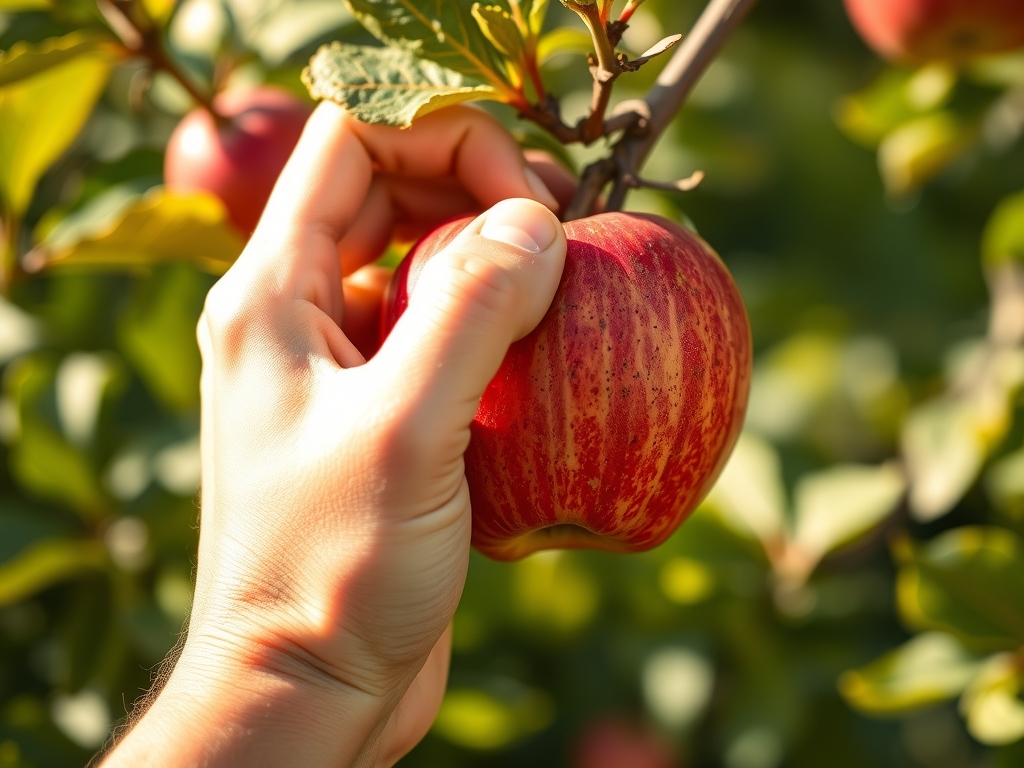
- The lift-and-twist test — the decisive one. Cup the apple, lift it level and give a slight twist. A ready apple releases with its stalk attached, almost falling into your hand. If you’re tugging, it’s holding on for a reason — leave it days, not weeks, and retest.
- Seed check: cut a sample apple — brown seeds = ripe; white or pale seeds = early.
- The ground tells first: a scatter of good (not just wormy) windfalls under the tree is the tree announcing its season.
- Background color, not blush: the red blush is sun paint and means little. Watch the ground color — the green base tone shifting toward yellow-cream is the ripeness signal.
Varieties don’t ripen together — even one tree ripens over 2–3 weeks (sun side first), so harvest in passes, not one sweep. And a light frost on the tree is fine (some say it sweetens); just let frosted fruit thaw on the branch before touching it.
The one sorting rule that decides everything
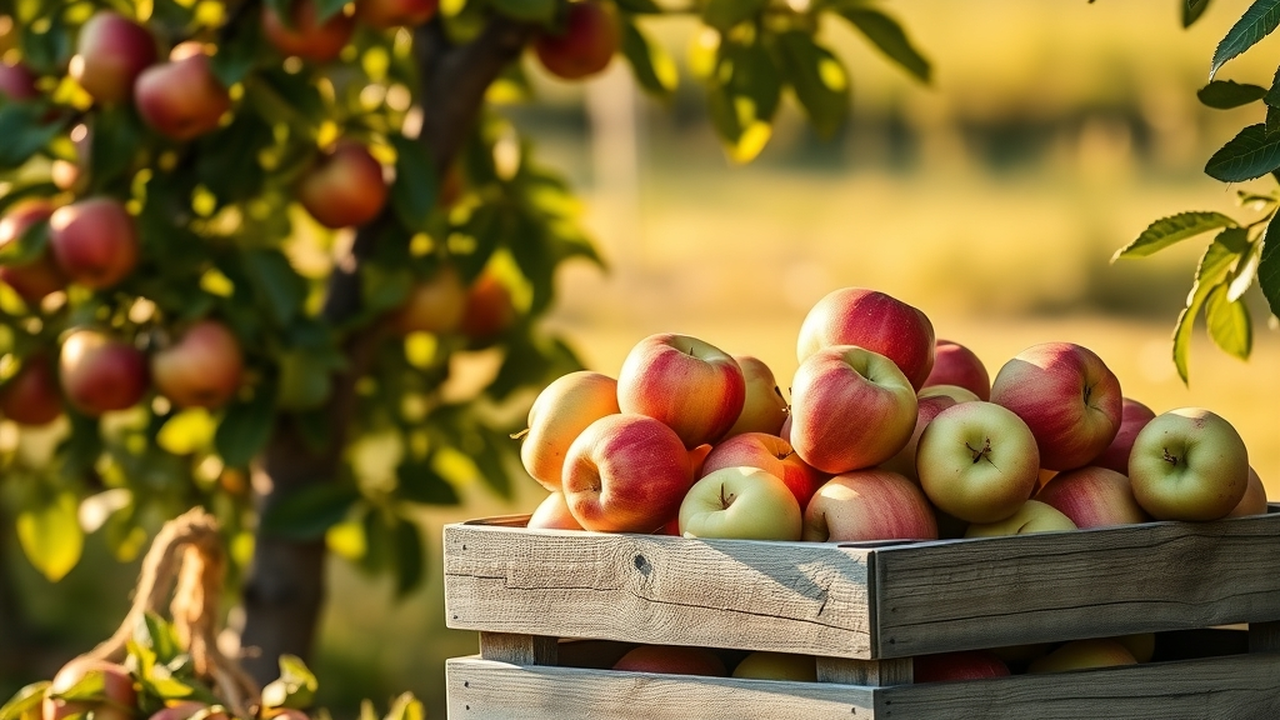
Apples for storage must be flawless and hand-picked — lifted with the stalk on, placed (never dropped) into a padded container. Everything else — windfalls, bruised fruit, stemless fruit, anything the birds started — is this month’s kitchen and press pile, not storage. This sounds fussy until you learn what a bruise is: an open door for rot, in a fruit that exhales ripening gas.
That gas is the proverb’s chemistry: apples breathe out ethylene, and a damaged or rotting apple breathes out a flood of it, pushing every neighbor toward overripeness while its mold spreads by contact. One bad apple genuinely does spoil the barrel — which is why storage apples get individually inspected in, and patrolled after.
Which apples actually keep (and which never will)
Storage is a variety trait, not a technique. Early-season apples (the August crowd) are eat-now fruit — days to weeks of life regardless of care. The keepers are late-season, hard, thick-skinned varieties picked in late September and October: classic long-keepers among them Fuji, Granny Smith, Winesap, Northern Spy, Arkansas Black, Braeburn, and most russets — the same firm apples that dominate supermarket cold storage. A useful rule of thumb: the later it ripens and the harder it bites, the longer it keeps. Tart, dense apples also mellow in storage — an Arkansas Black straight off the tree is a jawbreaker; by January it’s excellent.
If you’re buying for storage rather than growing: September–October farmers markets sell late keepers by the half-bushel at their yearly price floor — the no-tree path to a stored winter of fruit.
Storing: cold, humid, quarantined
Apples want what the root-cellar crowd wants — as close to 0–4°C as you can get, high humidity, dark — and they’ll hold months at cellar-ish garage temperatures too (cooler = longer; every 5°C warmer roughly halves storage life, which is why the fruit bowl kills apples in a week).
- Wrap or separate: the old newspaper-wrap trick works because it stops rot spreading fruit-to-fruit and slows moisture loss. Modern easy mode: perforated plastic bags in the crisper or cold garage — humidity stays in, a few holes let gas out.
- Quarantine from everything: that ethylene breath sprouts potatoes, bitters carrots, and ages squash — apples always get their own container, ideally their own corner.
- The fortnight patrol, as with every stored crop: sniff, check, and evict anything softening — one removed apple saves the box.
- Realistic timelines: late keepers cold and humid: 3–5 months (some varieties longer); the same apples in a warm kitchen: 1–2 weeks. The storage is the temperature.
And the non-keepers still have destinations: sauce and butter freeze beautifully, slices dry into the winter snack drawer, and a mixed box of seconds is the traditional argument for learning to press cider.
What works
- Lift-and-twist until it releases with the stalk - the whole ripeness test
- Late hard varieties for storage; early apples are eat-now fruit
- Cold + humid + dark (perforated bags in the coldest spot you have)
- Apples quarantined from all other stored crops - ethylene is real
What doesn't
- Storing windfalls or anything bruised (the literal bad apple)
- The fruit-bowl default (room temperature ages apples 10x faster)
- One-sweep harvesting (trees ripen over 2-3 weeks - pick in passes)
- Judging ripeness by red blush (watch the ground color instead)
FAQ
How do you know when apples are ready to pick?
Use the lift-and-twist test: cup the apple, lift it level, twist slightly — a ready apple releases easily with its stalk attached. Confirm with brown (not white) seeds in a sample fruit, a shift in the skin’s background color from green toward yellow-cream, and good windfalls appearing under the tree. Red blush alone means sun exposure, not ripeness. Trees ripen over two to three weeks, sun side first, so harvest in several passes rather than one sweep.
What is the best way to store apples for the winter?
Cold, humid, dark, and separated: as close to 0–4°C as available (a cold garage, unheated room, or spare-fridge crisper), in perforated plastic bags or newspaper-wrapped layers to hold humidity while venting gas, with only flawless hand-picked fruit going in. Keep apples quarantined from other produce — their ethylene sprouts potatoes and ages everything nearby — and patrol every two weeks, removing anything softening. Late-season hard varieties stored this way keep three to five months.
Which apple varieties store the longest?
Late-ripening, firm, thick-skinned varieties: Granny Smith, Fuji, Winesap, Northern Spy, Arkansas Black, Braeburn, and the russets are classic long-keepers, holding three to five months in cold humid storage. The rule of thumb: the later the ripening date and the harder the flesh, the better the keeper — and many dense, tart keepers actually improve after a month or two of storage. Early-season apples don’t keep regardless of technique; eat, sauce, or dry those within weeks.
Why do my stored apples go soft or rot quickly?
Usually one of four causes: storage-unfit fruit went in (bruised, stemless, windfall, or an early-season variety), the spot is too warm (every 5°C above cellar temperature roughly halves storage life — the fruit bowl is the worst case), humidity is too low (shriveling — fix with perforated bags), or a rotting neighbor went unnoticed and its ethylene-plus-mold cascaded through the box. The fixes are the whole method: perfect late-variety fruit only, the coldest humid spot you have, and the two-week patrol.
Four months from now there are two kinds of households — the ones buying shipped apples, and the ones still eating September. The difference was an afternoon of sorting.
Keep reading
guides
How to Preserve Your Vegetable Harvest (2026 Beginner's Guide)
Drowning in tomatoes and zucchini? A beginner's guide to preserving your vegetable harvest — freezing, canning, drying, root storage and fermenting, and which method suits each crop.
guides
Root Cellar Without a Cellar: Store Months of Food With No Basement
No basement, no problem. Garage corners, buried barrels, sand boxes and in-ground trenches — honest ways to store potatoes, carrots, squash and apples for months.
guides
Winter Squash: When to Pick, How to Cure, Why Yours Rots by November
Butternut, pumpkin, acorn — the thumbnail test, the 10-day cure that decides storage, and the handling rules that turn one squash patch into food until spring.